+ PLUSPACK
(Packaging design)
Packaging design for HERVYCTA by Dr.Reddy's Laboratories LTD - 2016
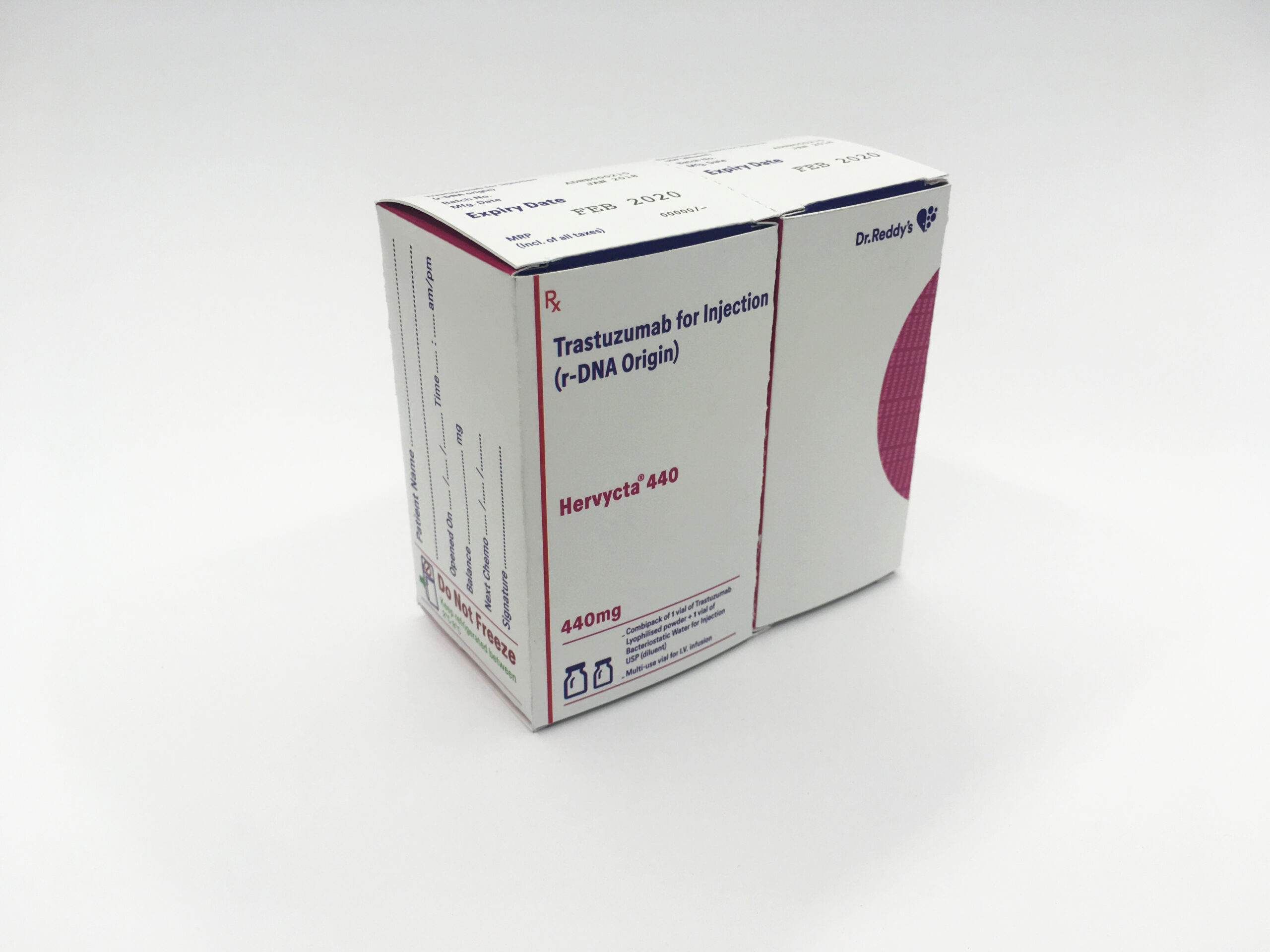
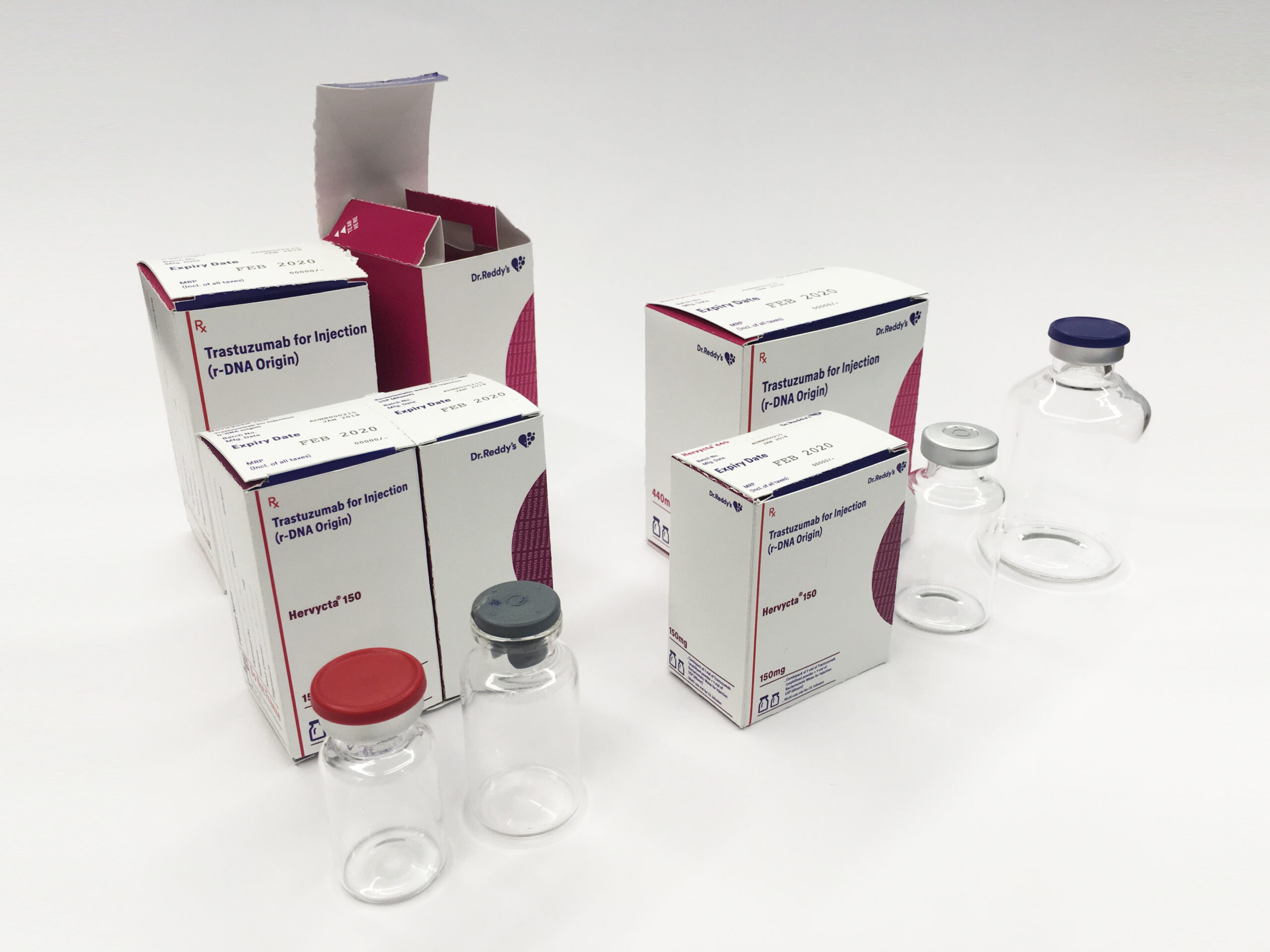
The drug Trastuzumab is used to treat HER2+ breast cancer. It consists of a vial of lyophilized powder and a vial of bacteriostatic water for injection. Dr. Reddy's Laboratories’ biosimilar, HERVYCTA, is one of the offerings in the Indian market.
Product Websites :
www.hervycta.in
www.drreddysbiologics.com
TEAM
Nilay Bhandari - Project Lead / Design Researcher
Tarun Rawat - Design Manager
Aakash Dewan - Product/Packaging Designer / Researcher
MY ROLE
- Owned the design and development of product packaging, integrating patient needs with manufacturing and assembly constraints throughout the process.
- Designed and conducted needs discovery research across three stakeholder groups i.e. patients, nurses, and oncologists - to surface and validate key requirements.
INTENT
The scope of this project is to differentiate HERVYCTA at launch by creating a human-centered secondary packaging that meets the true needs of users.
What is Secondary Packaging?
Secondary packaging refers to the outer box housing the drug vials, distinct from the primary packaging (the glass vials themselves), which remains fixed due to medical regulatory requirements.
PHASE 01 - EXPLORATION & RESEARCH
Observing & interviewing nurses at a cancer ward in a hospital in Mumbai.
1. Current Product Journey
→ What we observed and learnt:
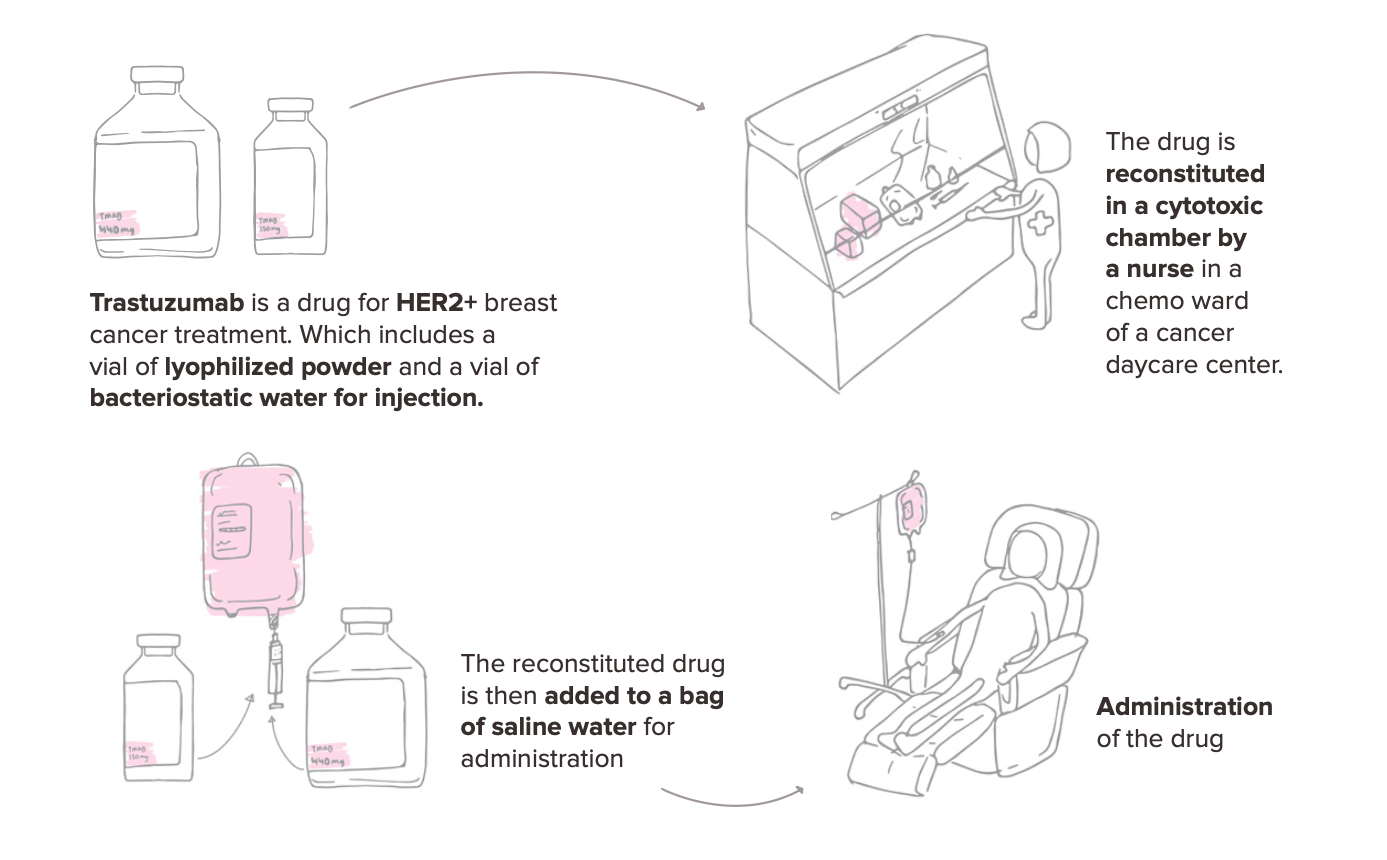
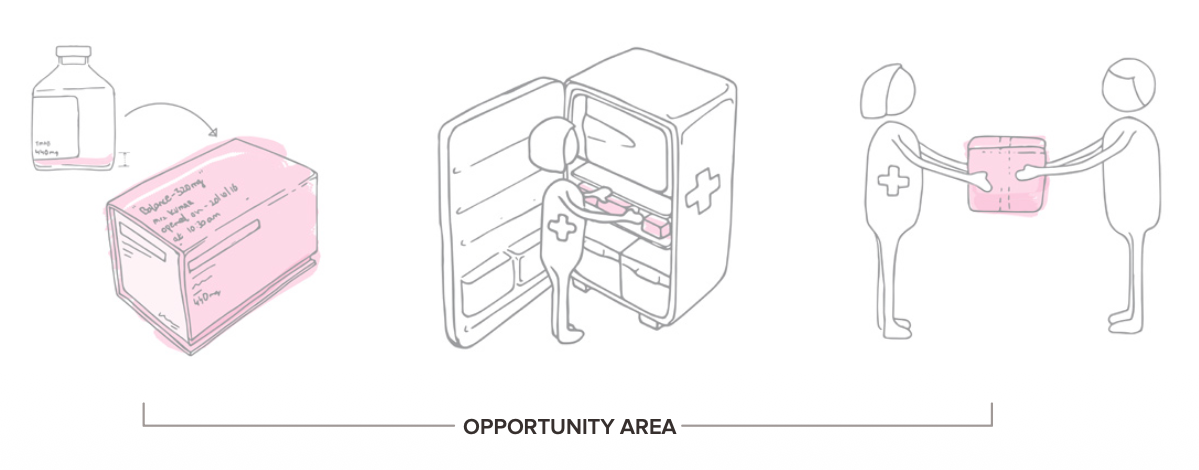
→ 92% of the time, 150-200mg of the drug is leftover, which is then used for the next chemo cycle (in 3 weeks).
→ The leftover drug vial is put back in the secondary box and stored in the hospital or handed over to the caregiver to store it at home.
→ There have also been cases of tampered packaging when the drug is delivered to the hospital for patients.
→ Many-a-times patients/caregivers bring back ‘frozen’* drug or the hospital misplaces the drug due to lack of patient ID or over crowding in the storage.
* (if frozen, the drug cant be used again and is discarded)
Journey of the box:
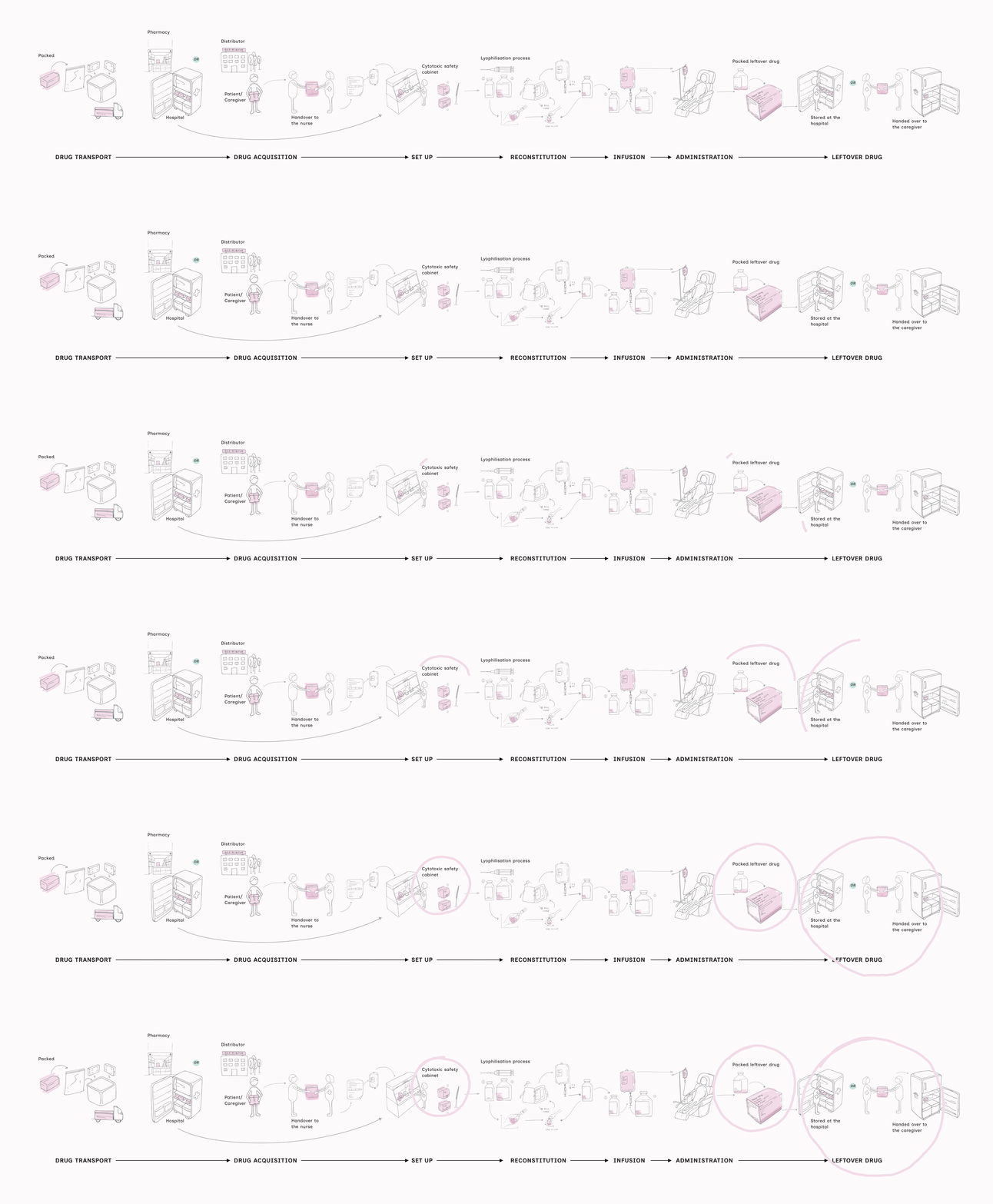
Moments of intervention that were identified & prioritised, where the 'box' can make an impact.
1. Easy & tamper evident opening for admixing/lyophilisation process
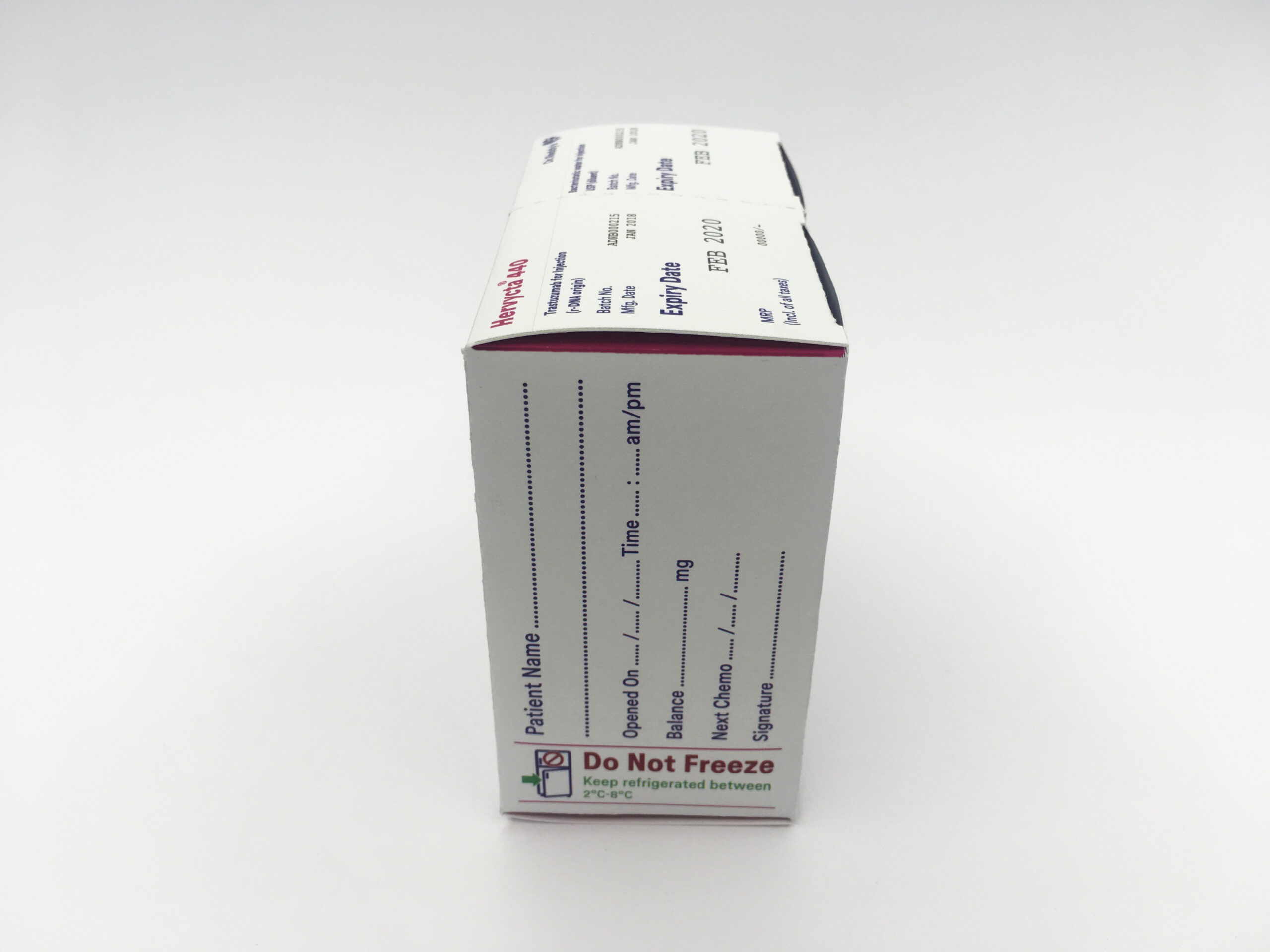
2. Patient details/ownership & storage information area on the packaging
3. Convinient/easy storage in the hospital fridge or at the patient's home
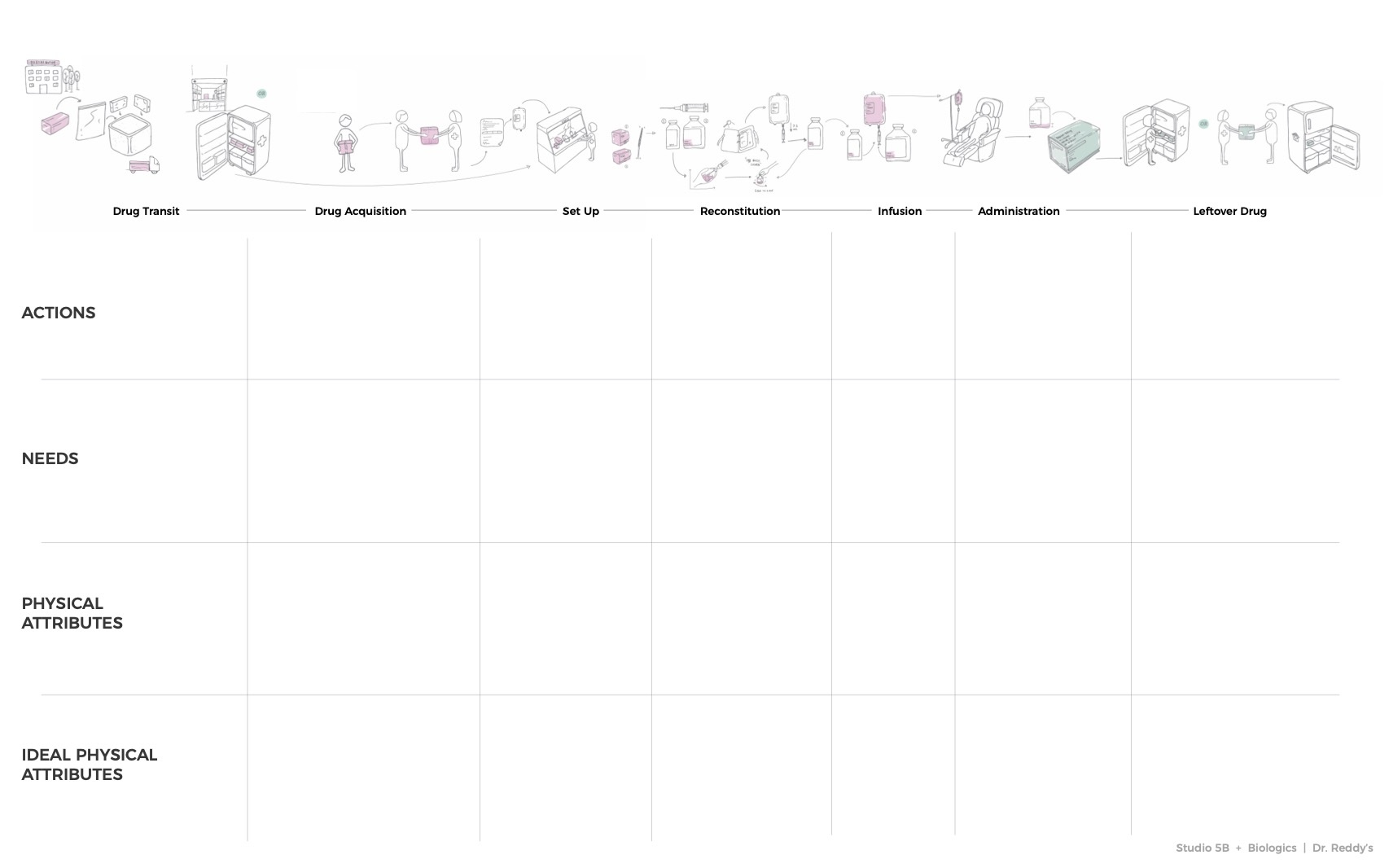
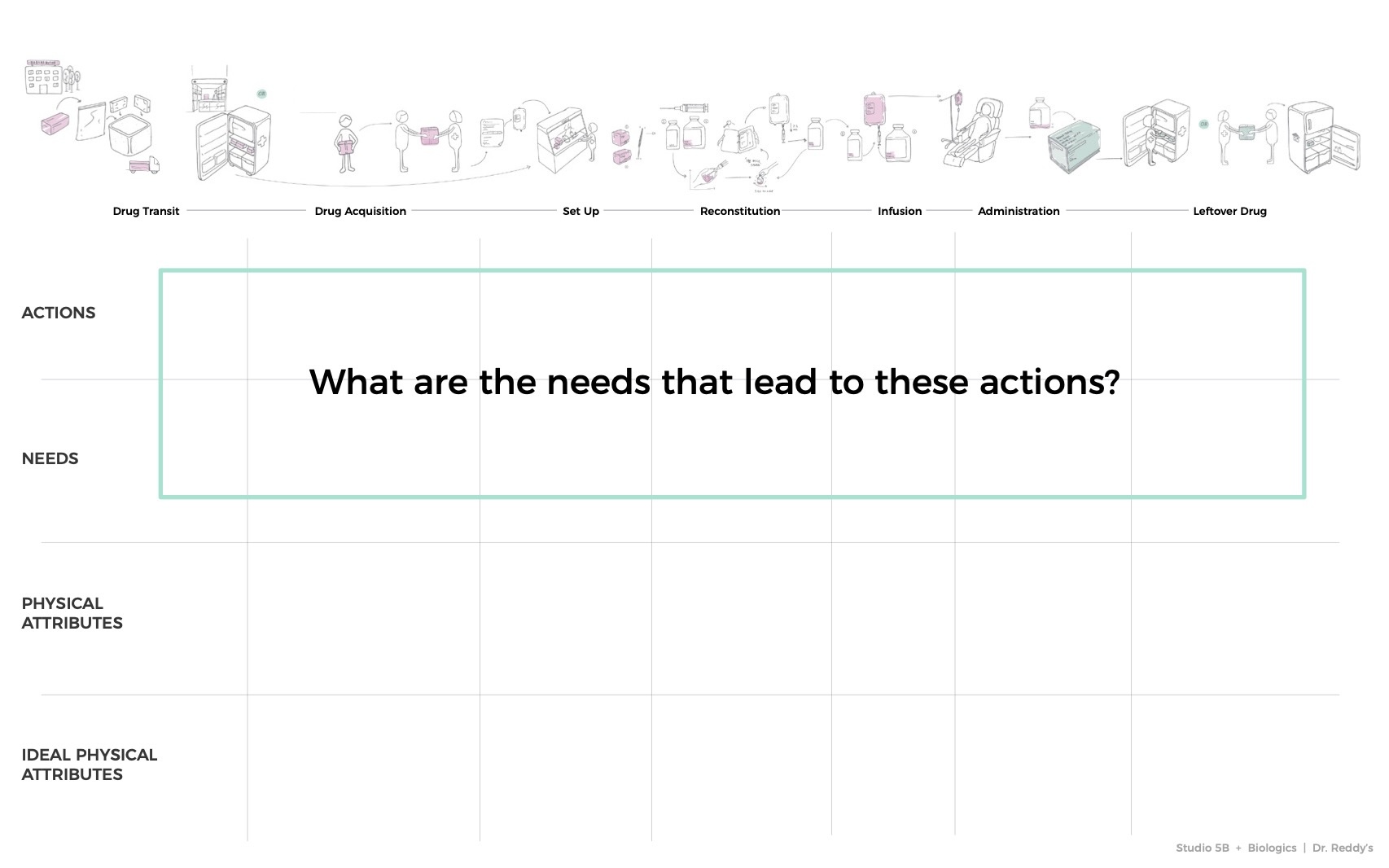
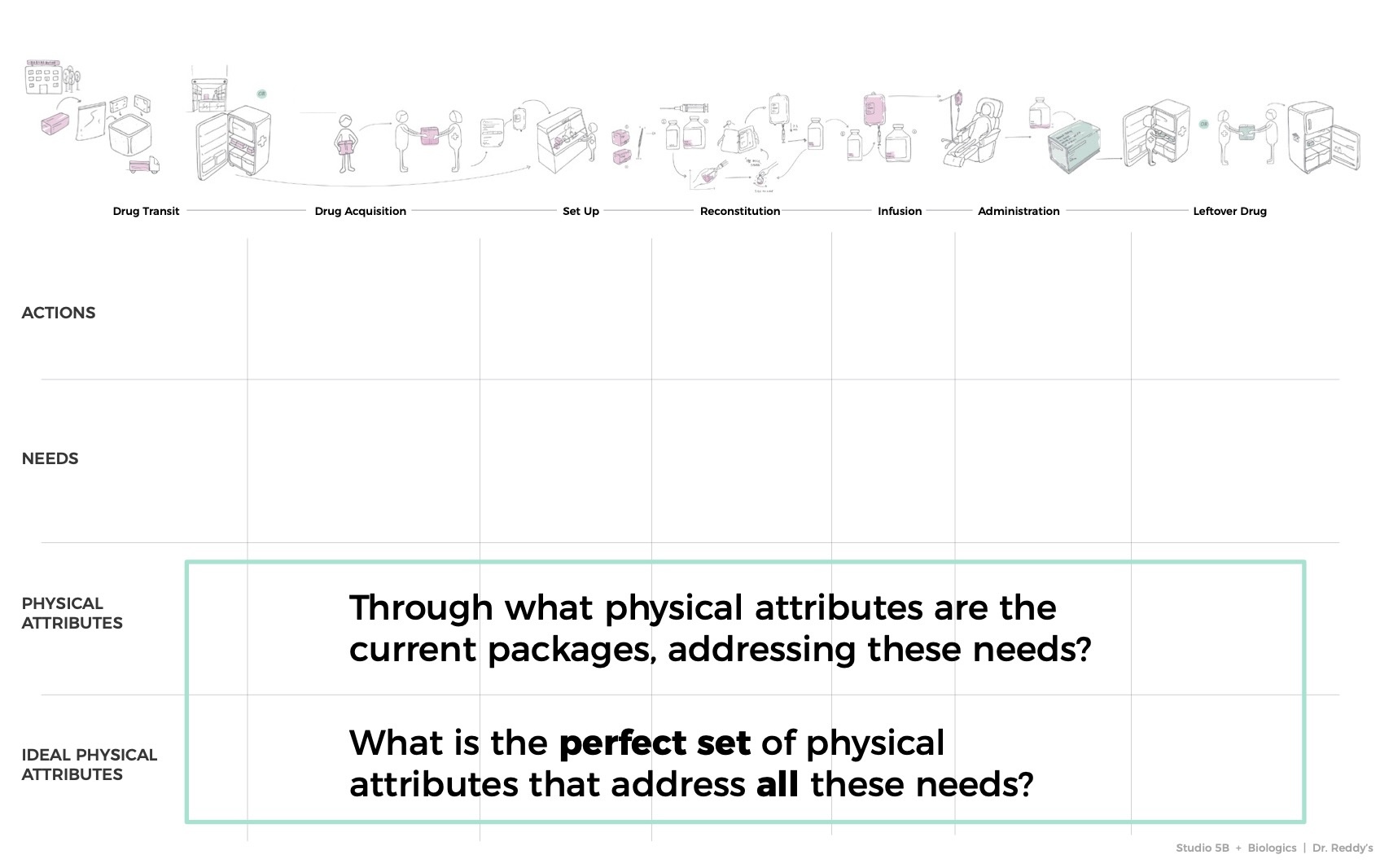
We ran a broad spectrum analysis and synthesised needs that emerged at every moment in the journey of the box (product).
We looked into what Actions are ouccuring in those moments, what Needs arising during those actions, what Physical Attributes of the box are important during those moments and finally what could be the Ideal Physical Attributes that can fulfil those needs in that moment of the journey.
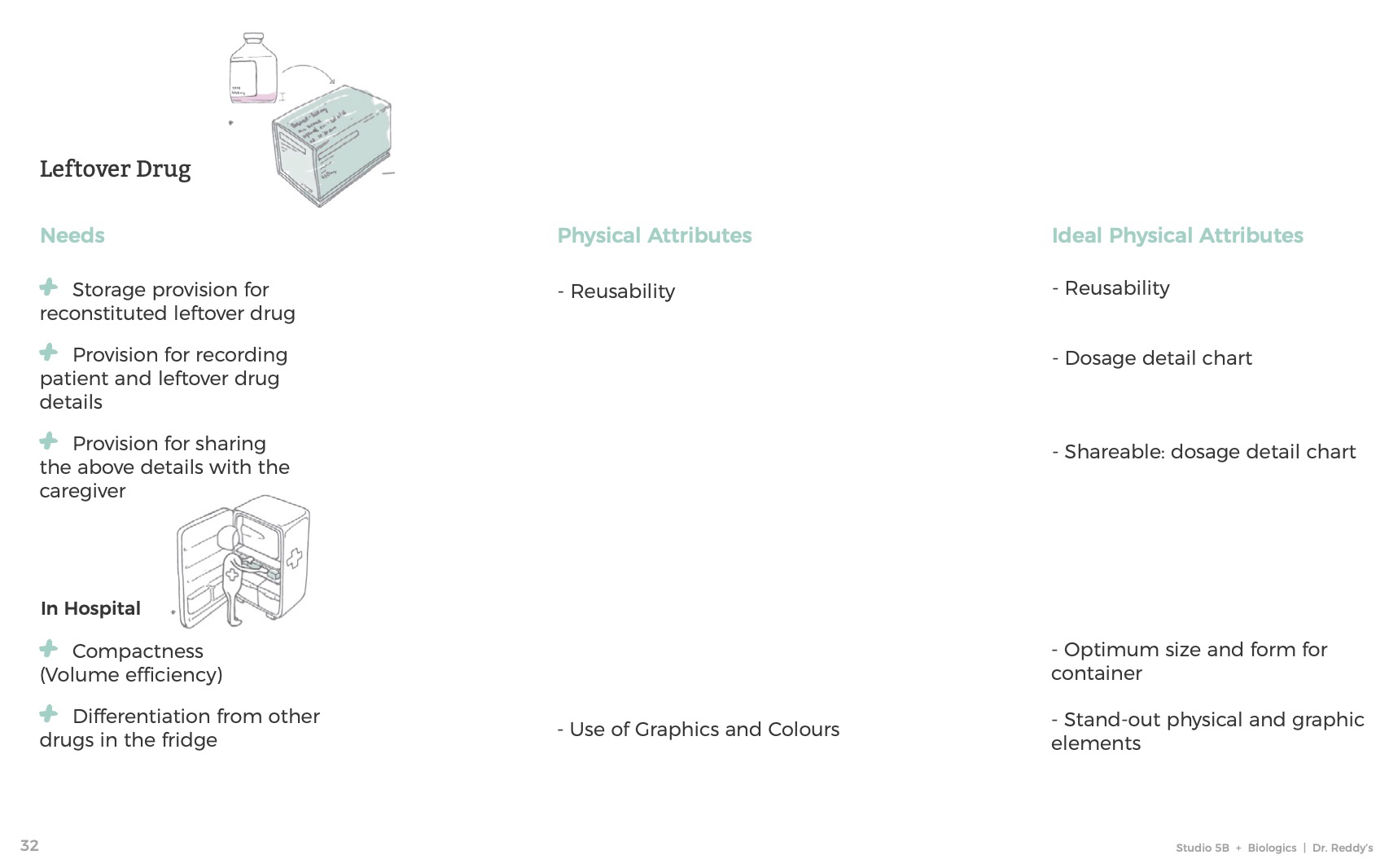
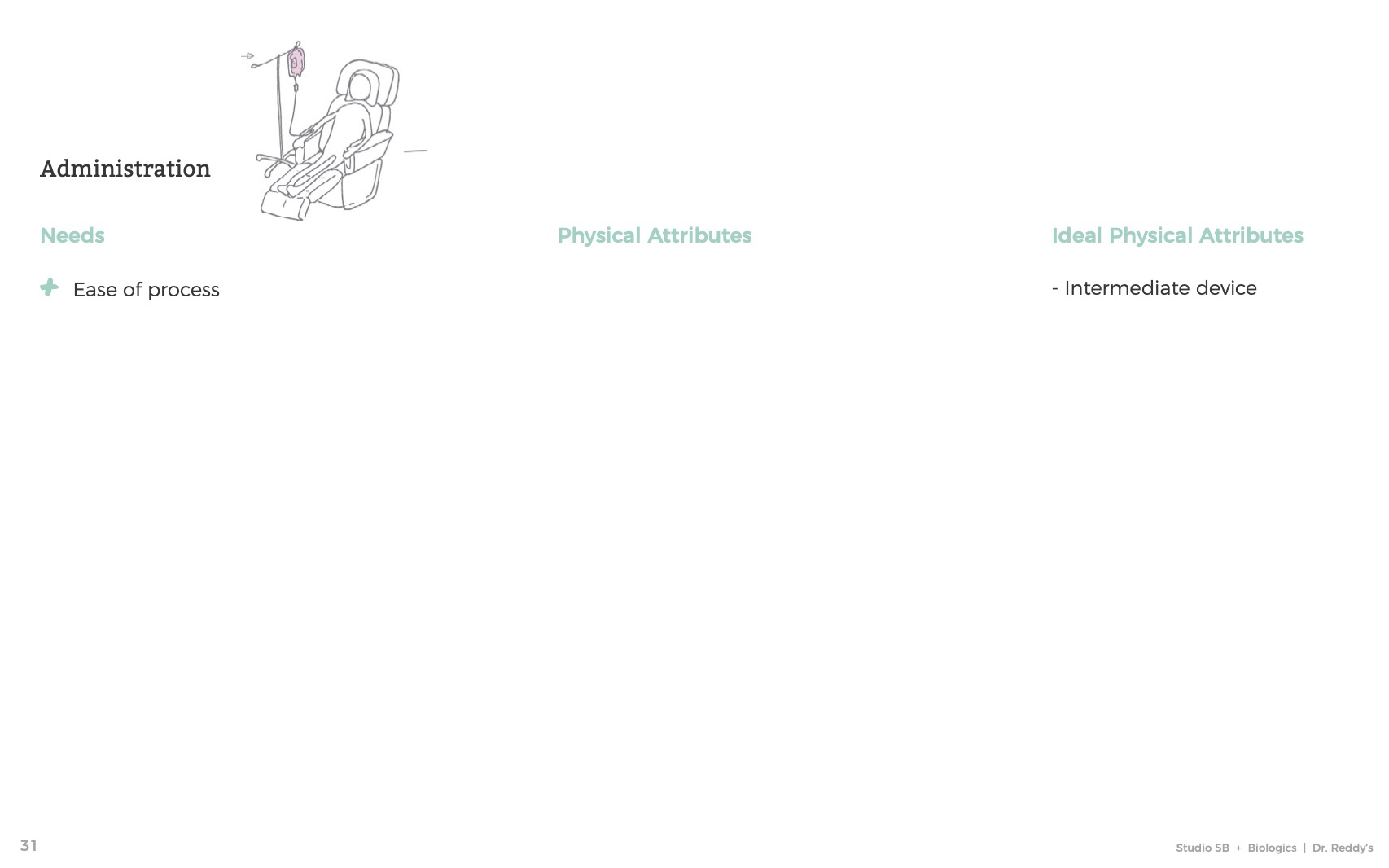
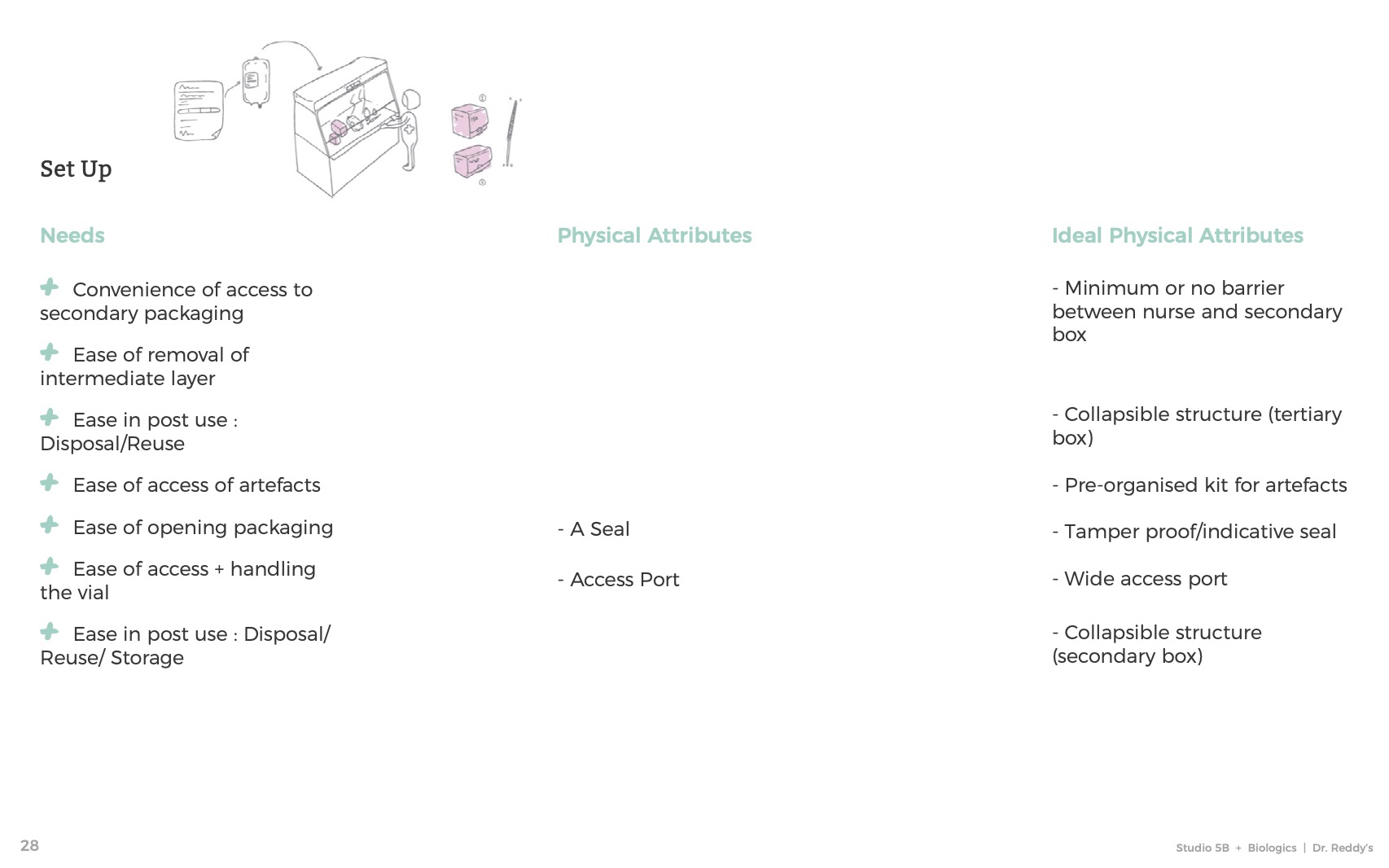
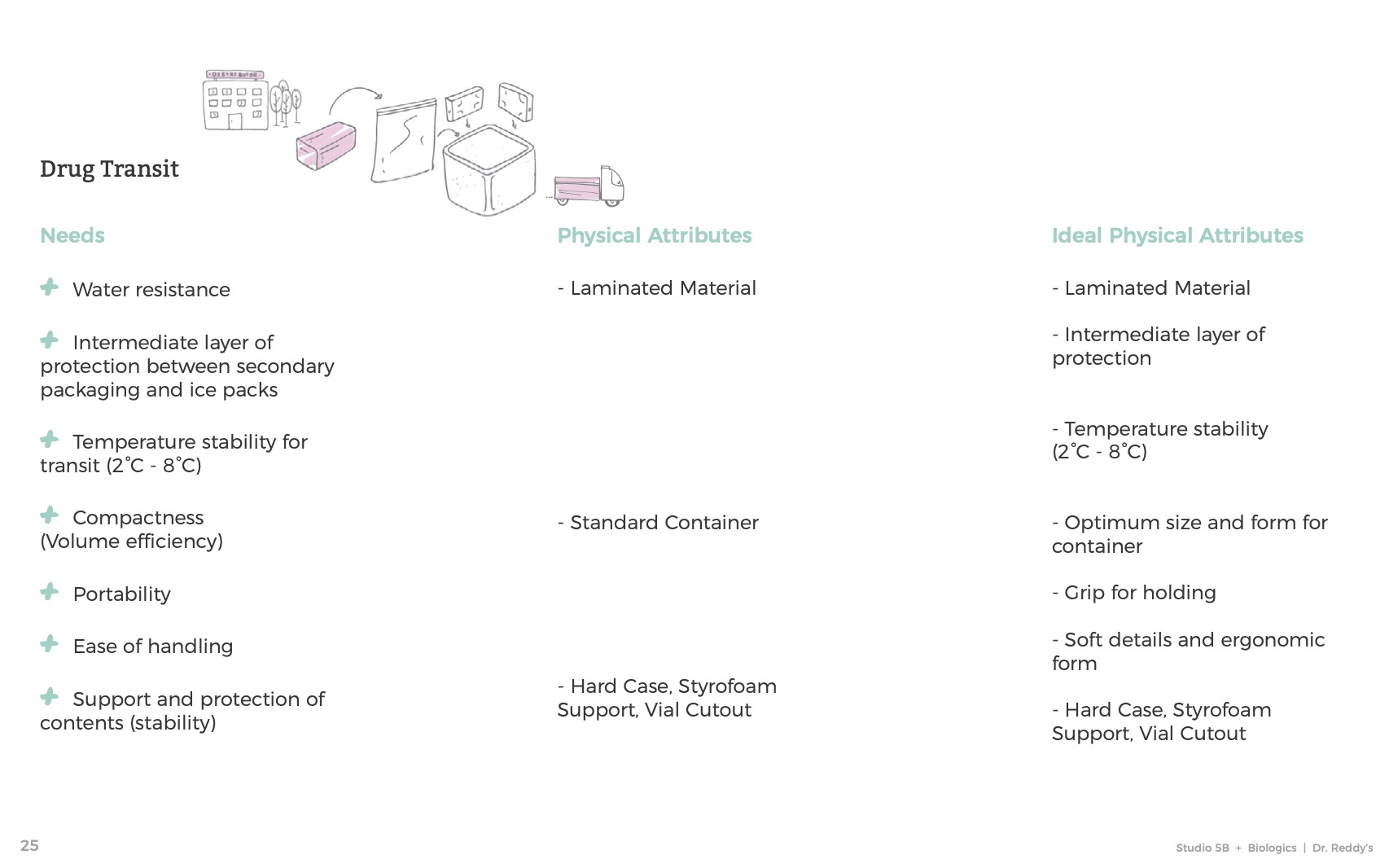
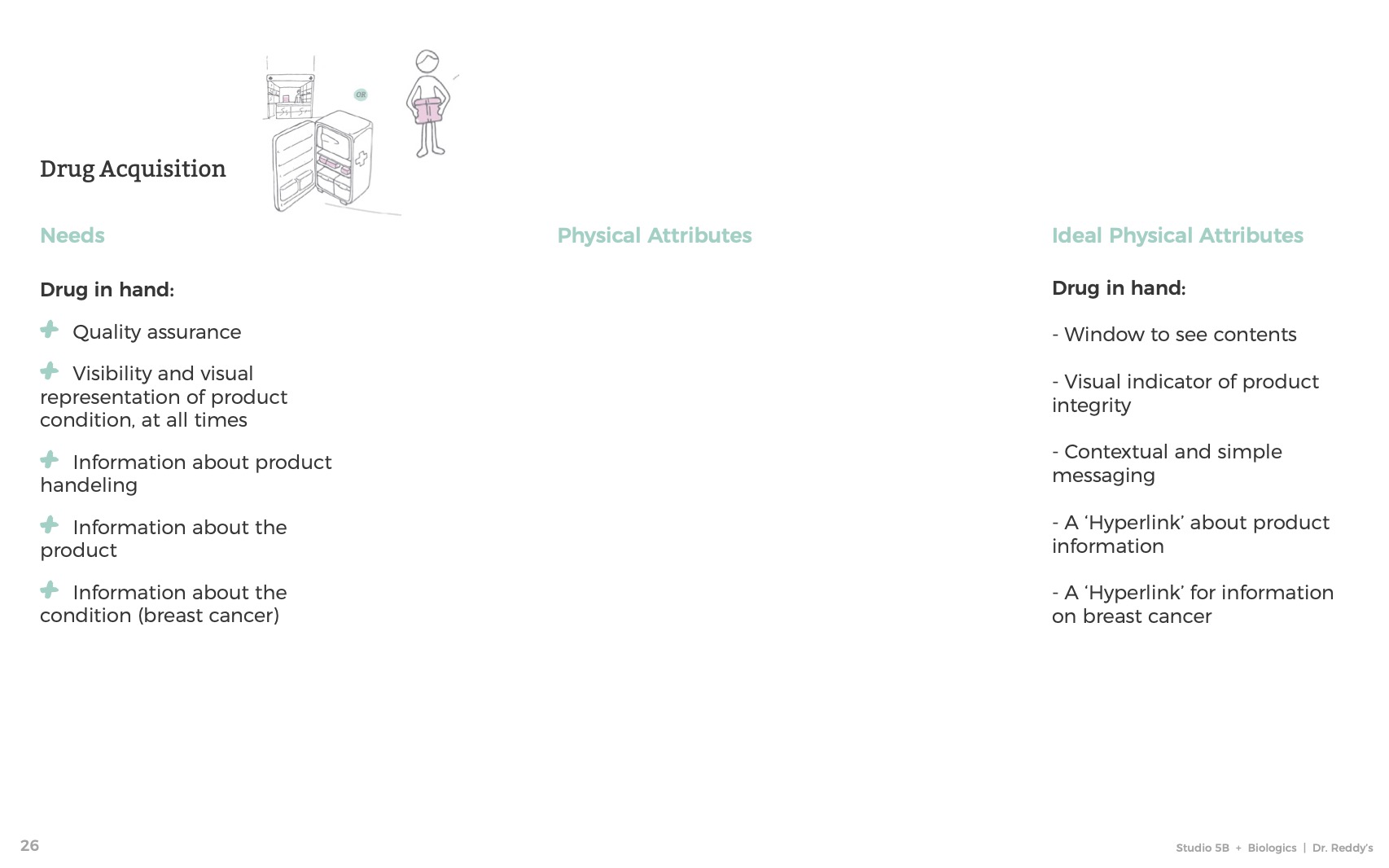
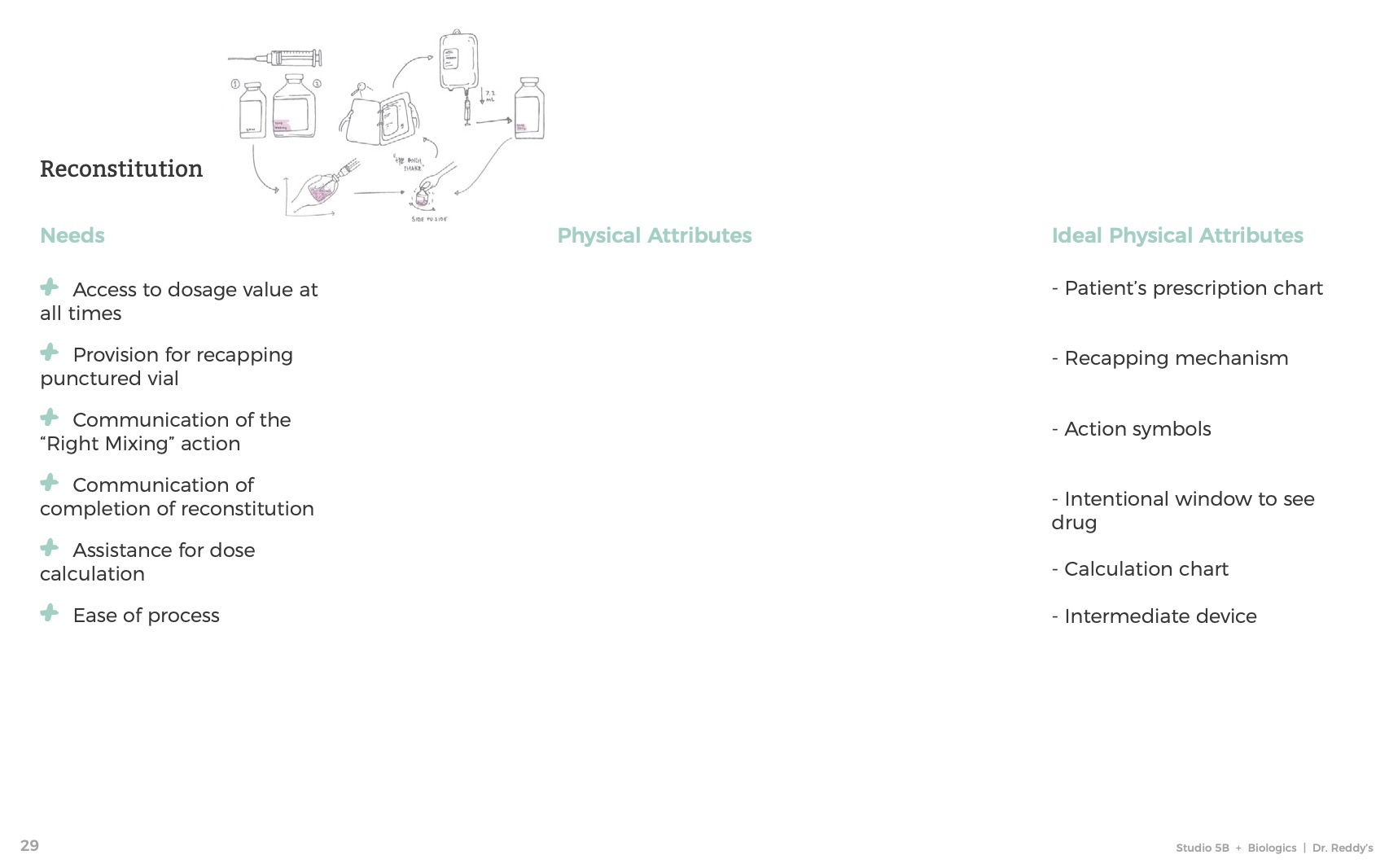
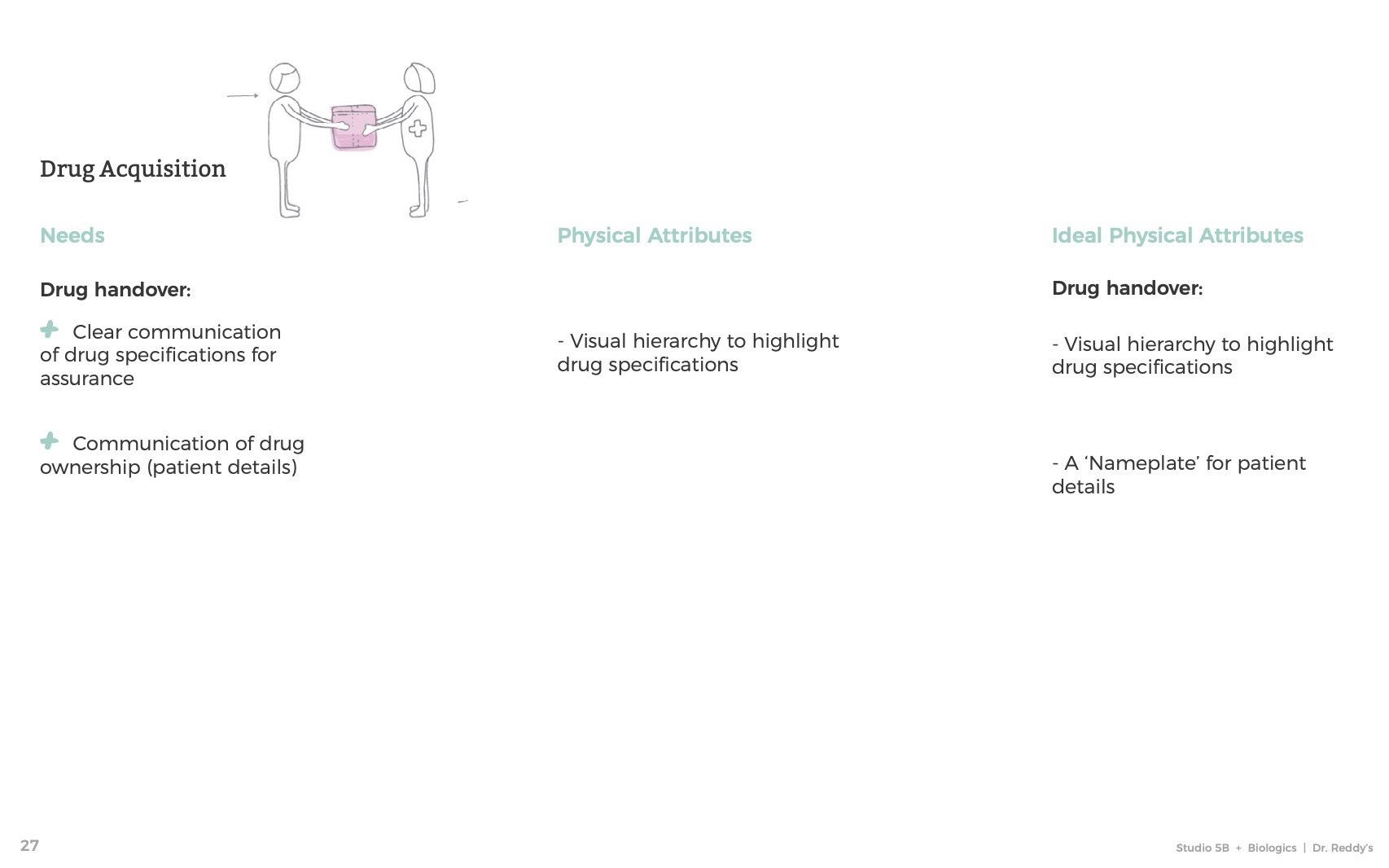
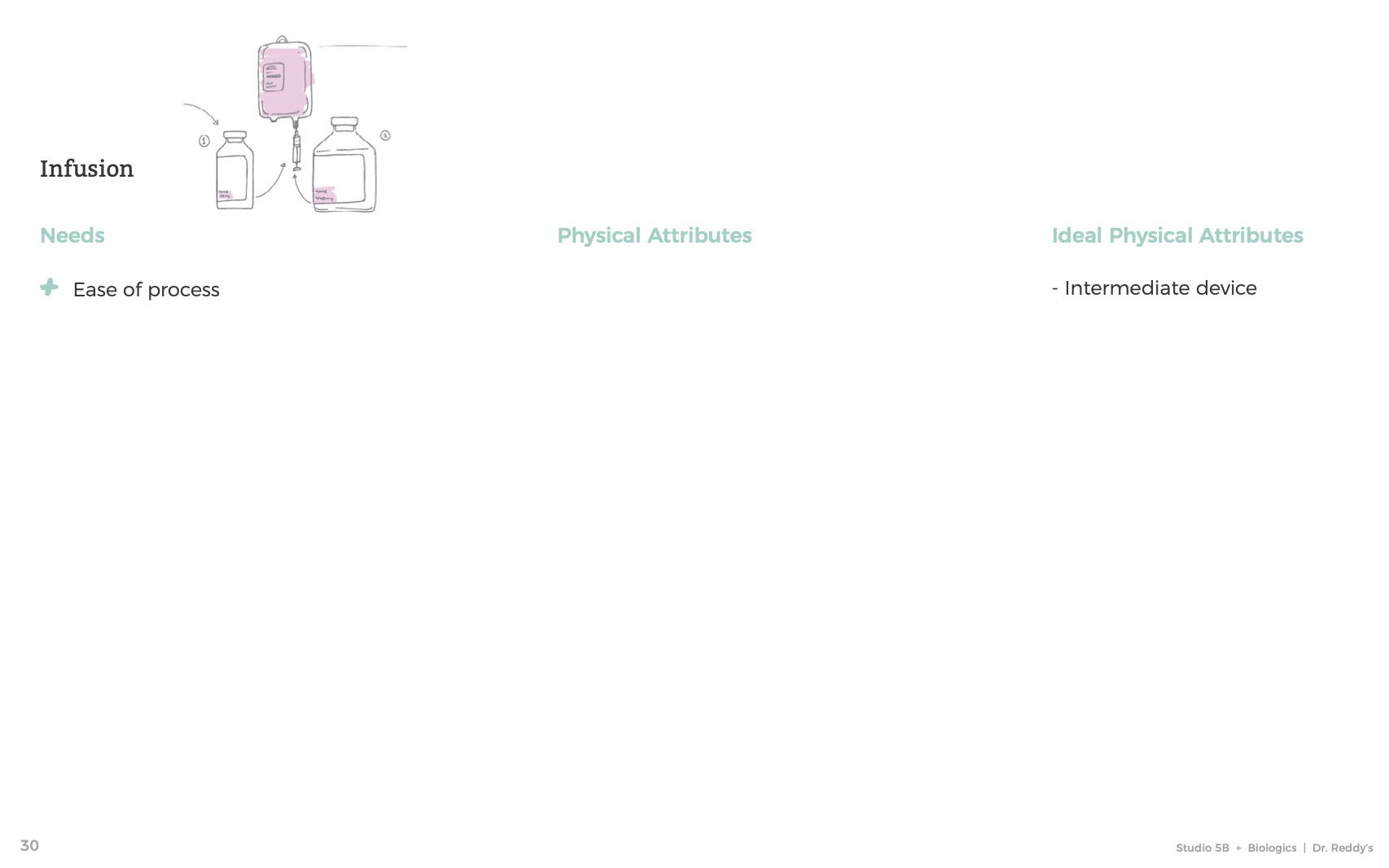
We mapped the different physical needs and requirements for the packaging for each moment in the journey.
THIS LEADS US TO ASK:
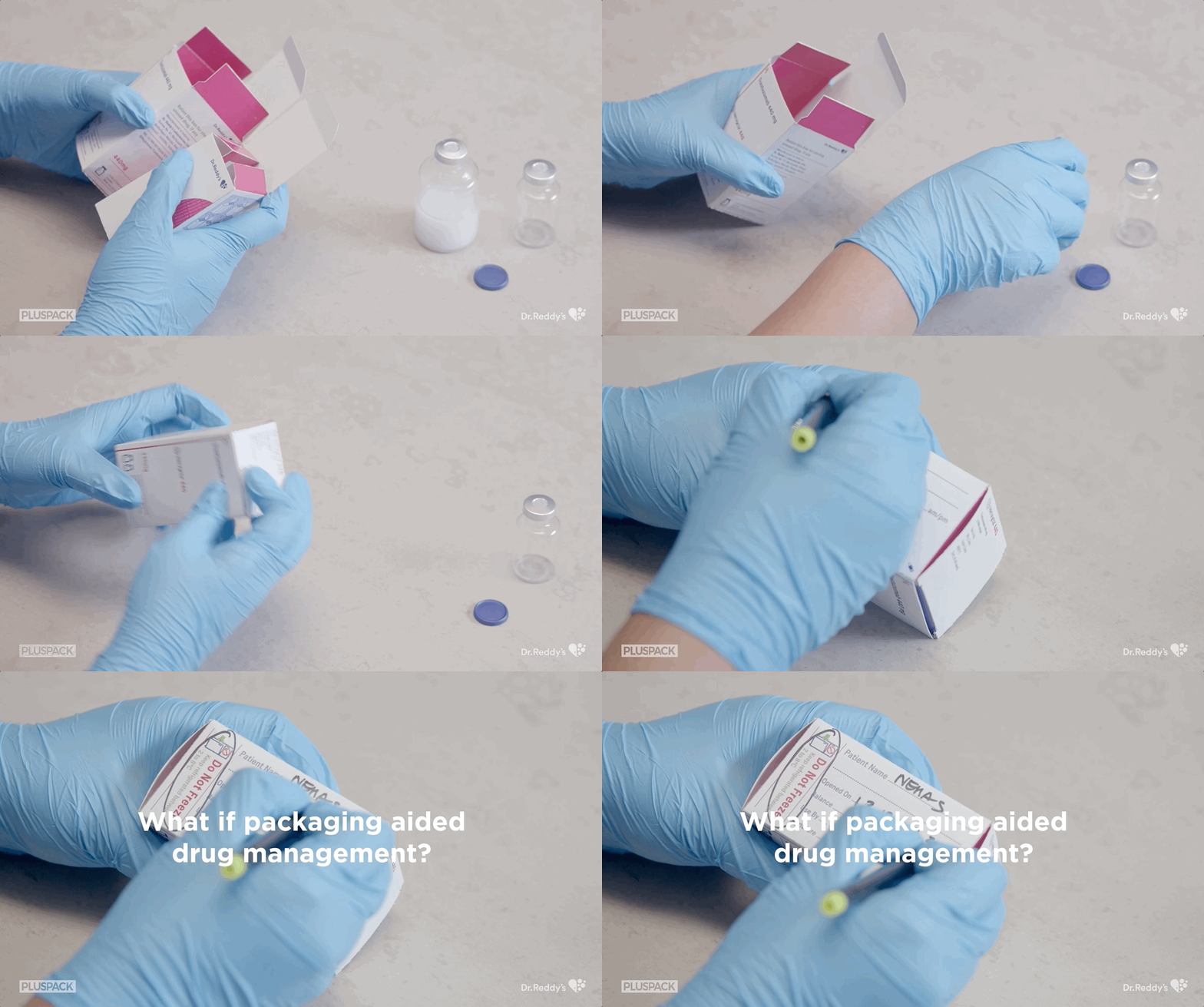
What if packaging aided drug management?
PHASE 02 - DESIGNING, PROTOTYPING & TESTING
Drawing on insights from both secondary and primary research, we began sketching and developing white-box mockups of concepts that responded to three core needs:
- A small footprint
- Ease of opening
- Quick access to the drug vials
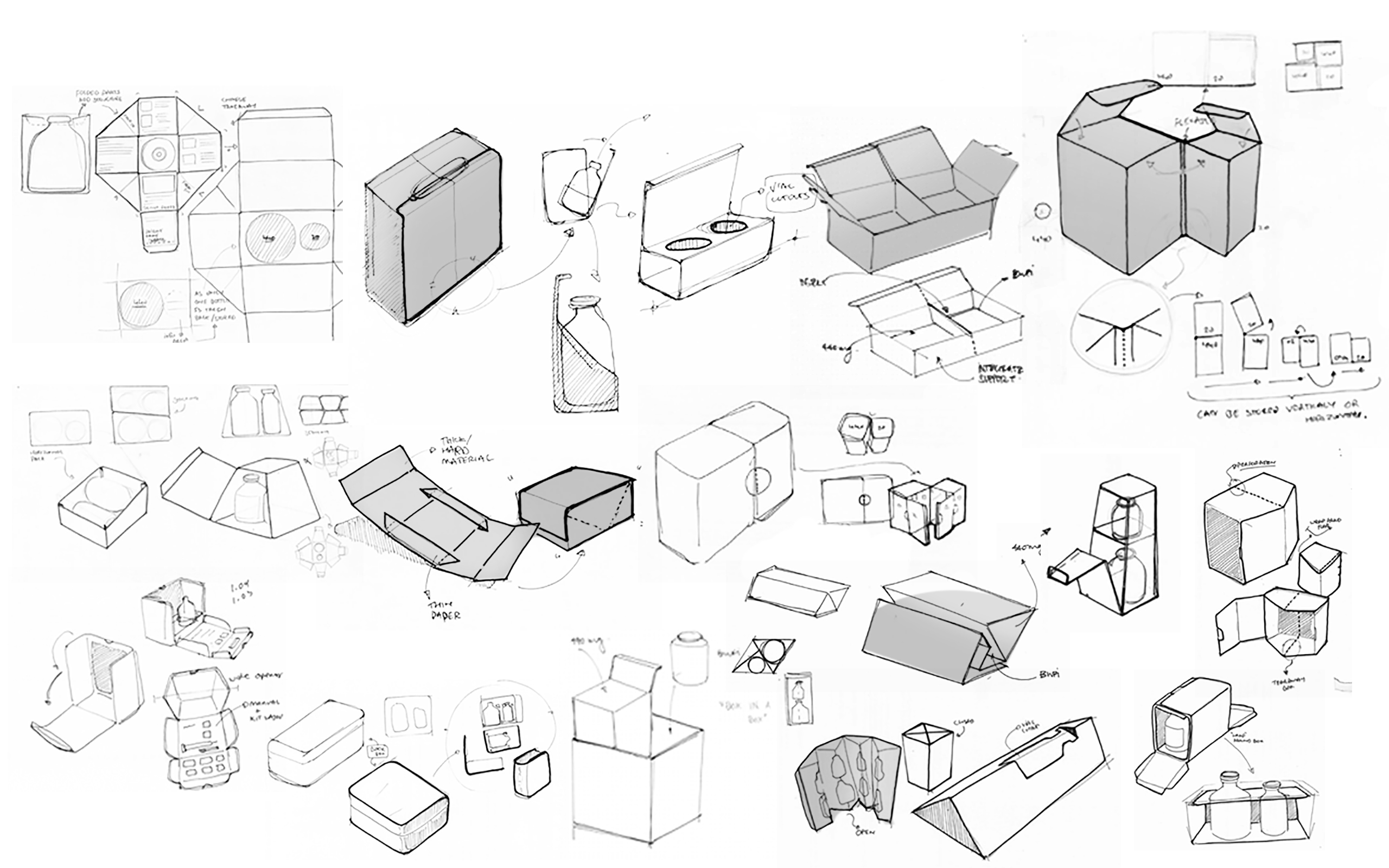
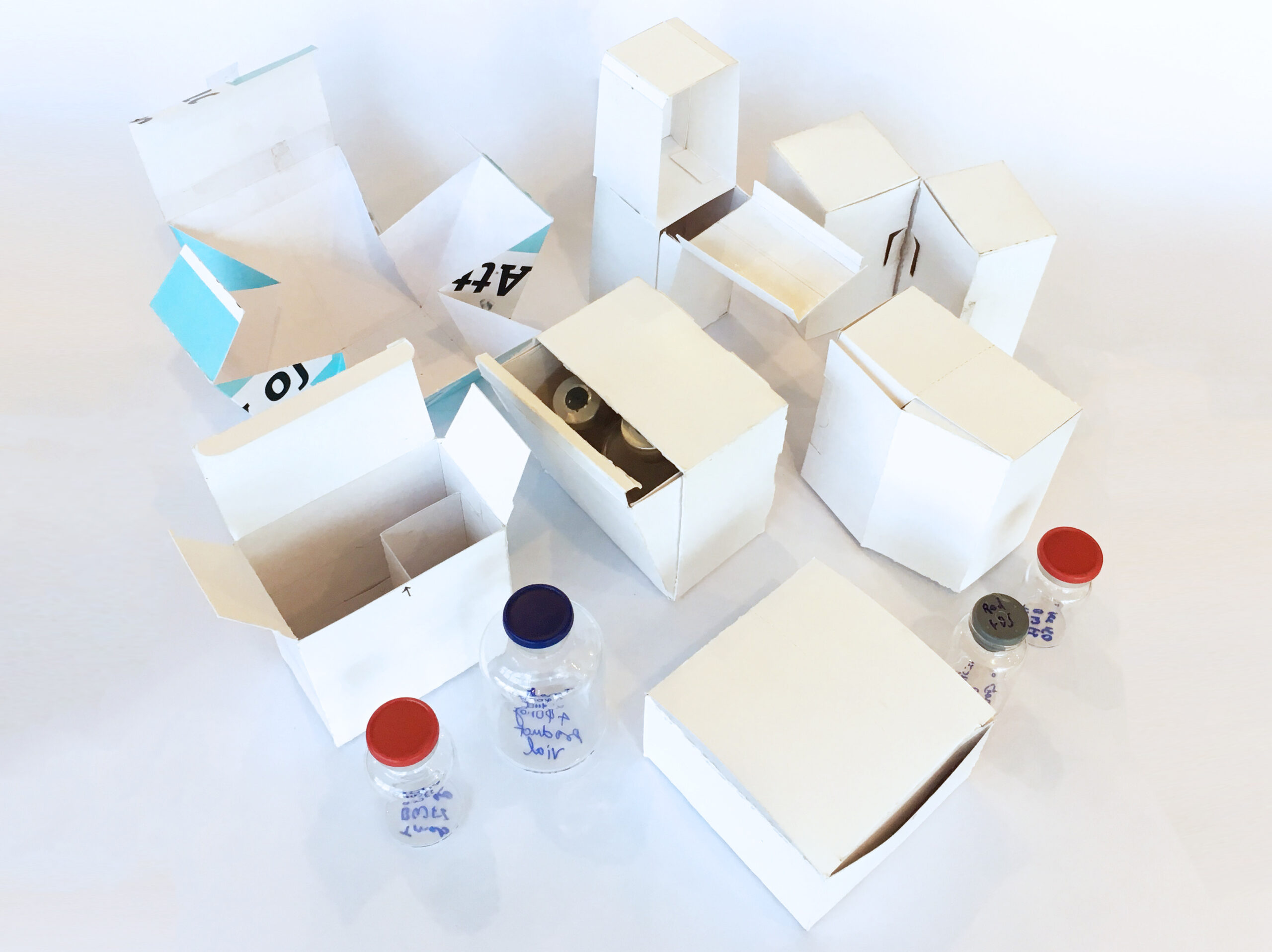
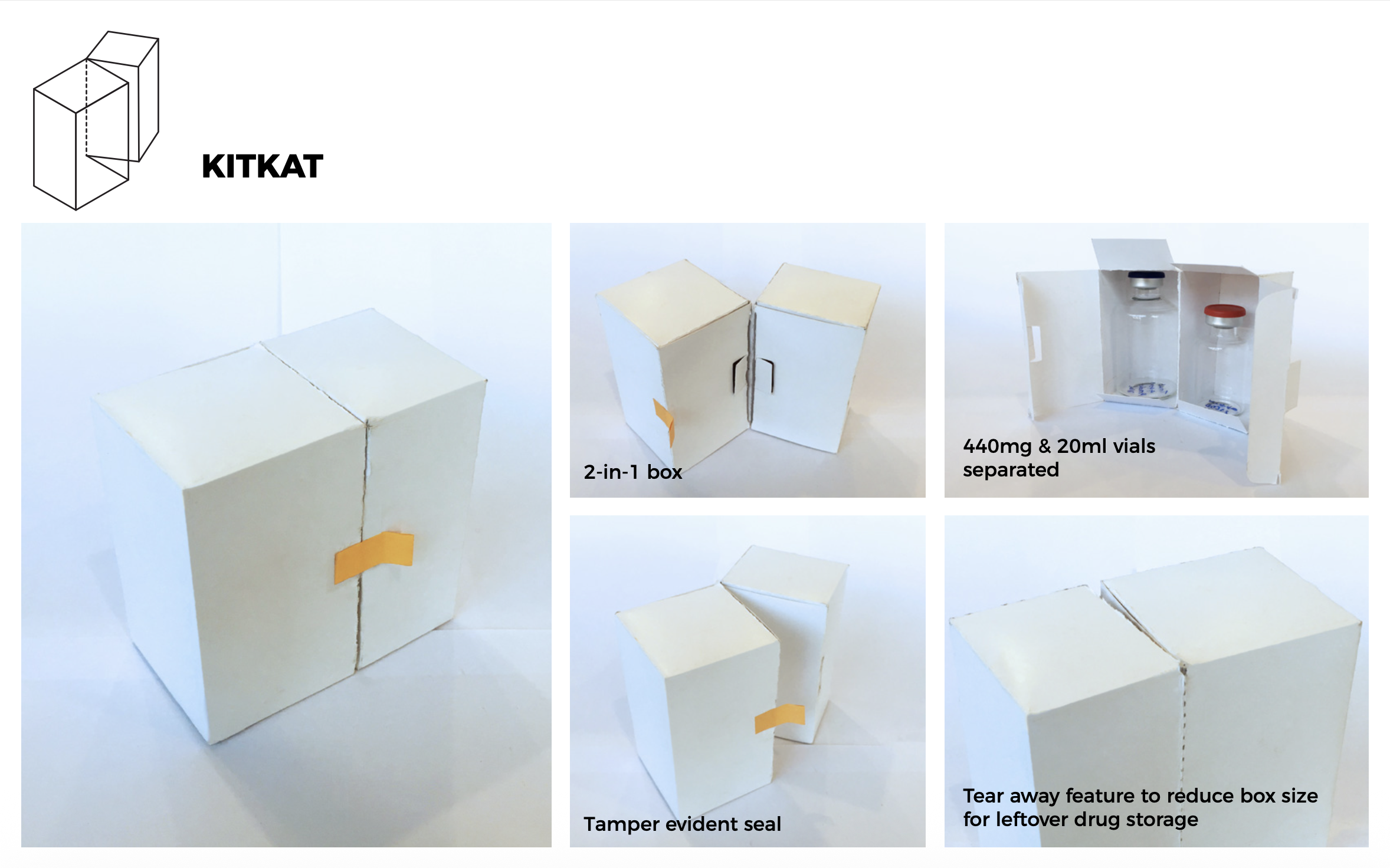
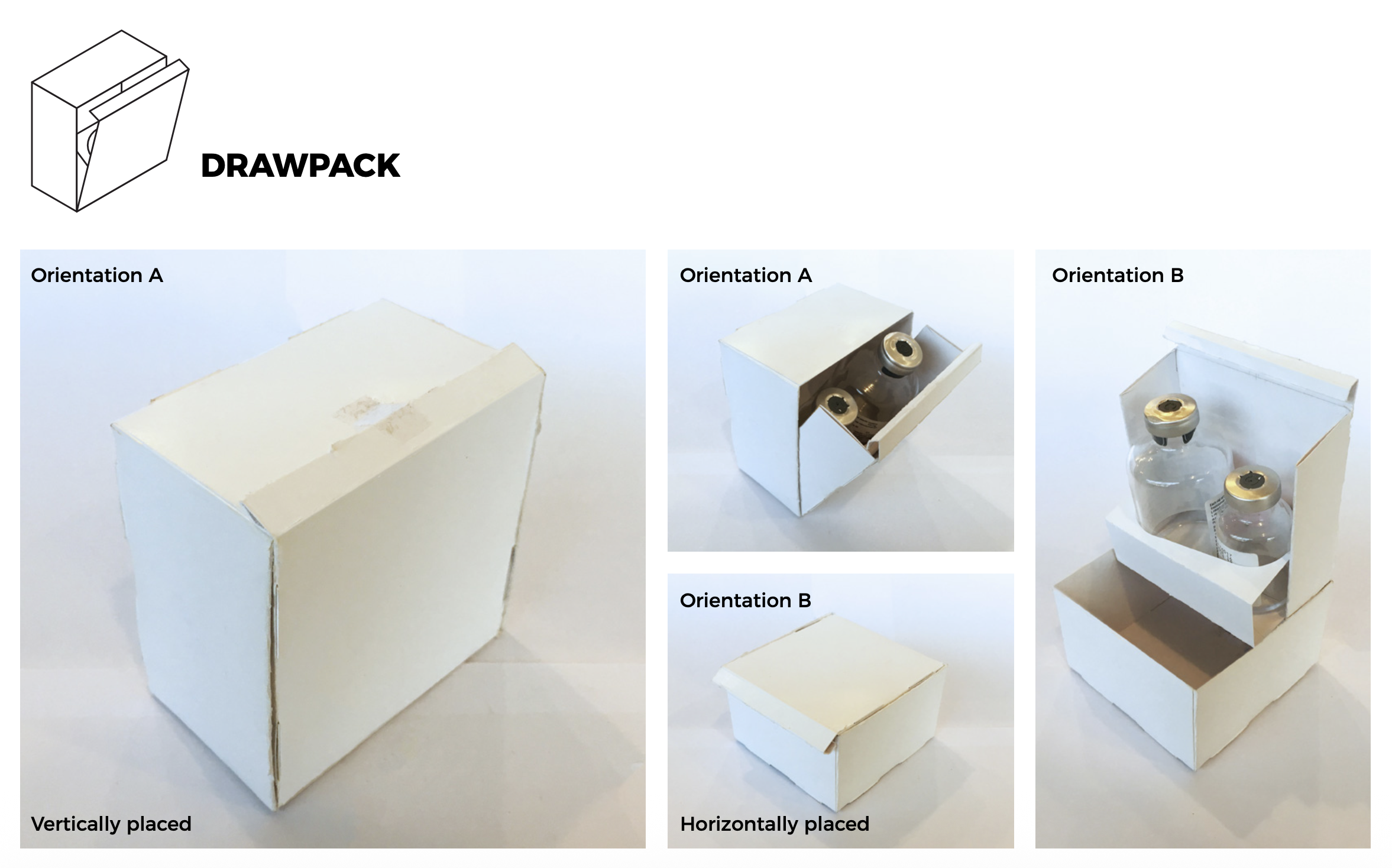
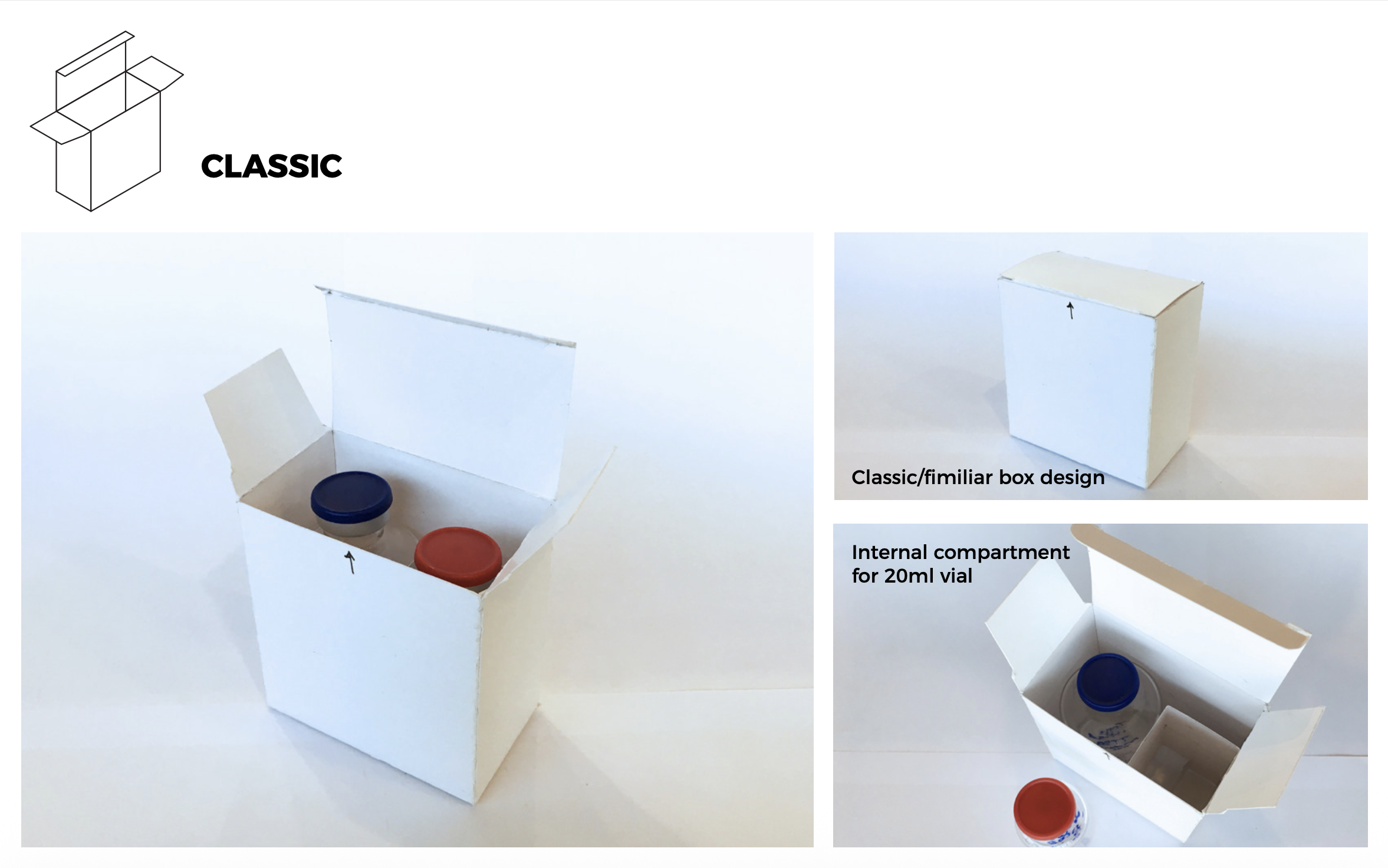
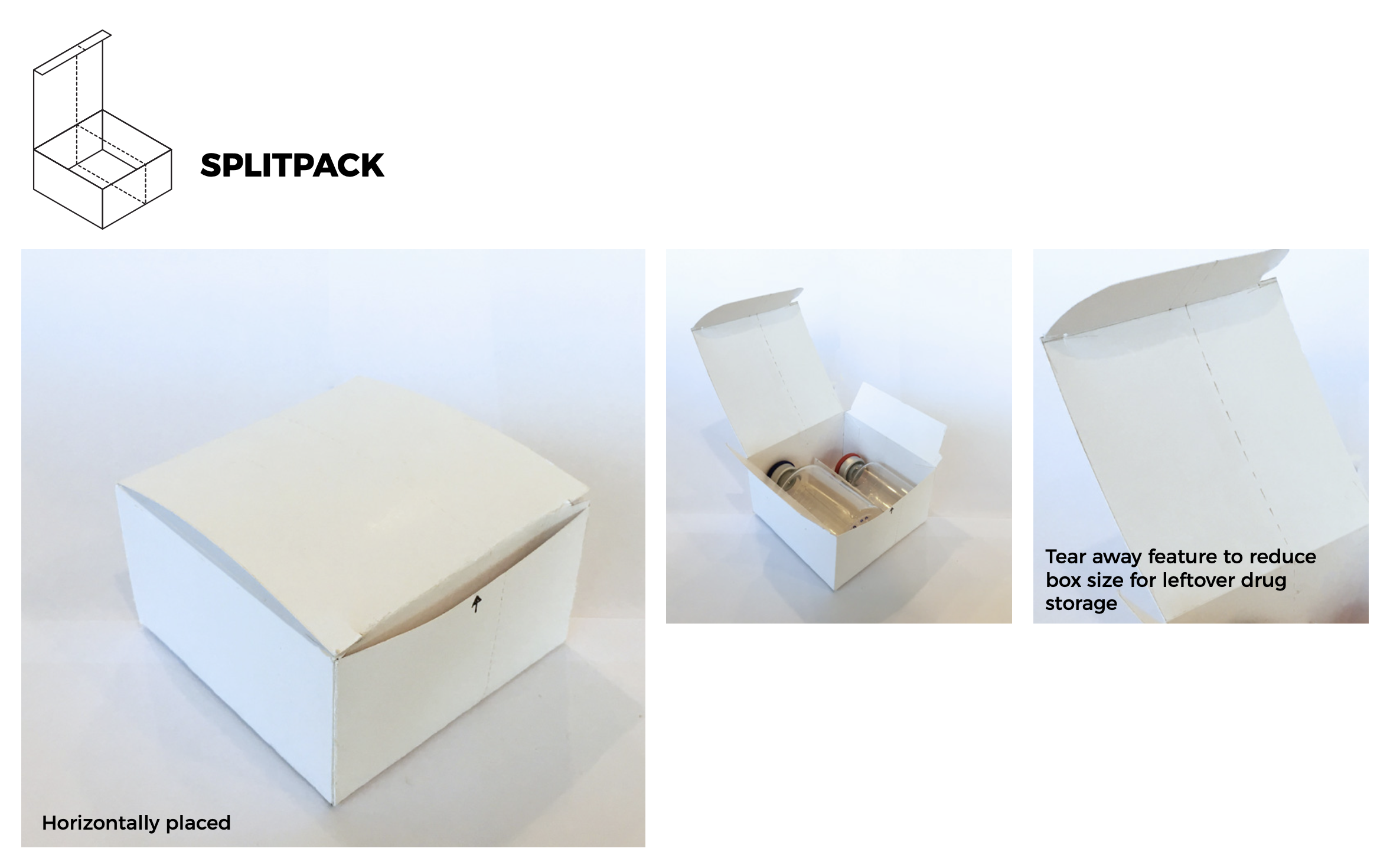
Testing mockups with two nurses from two different hospitals.
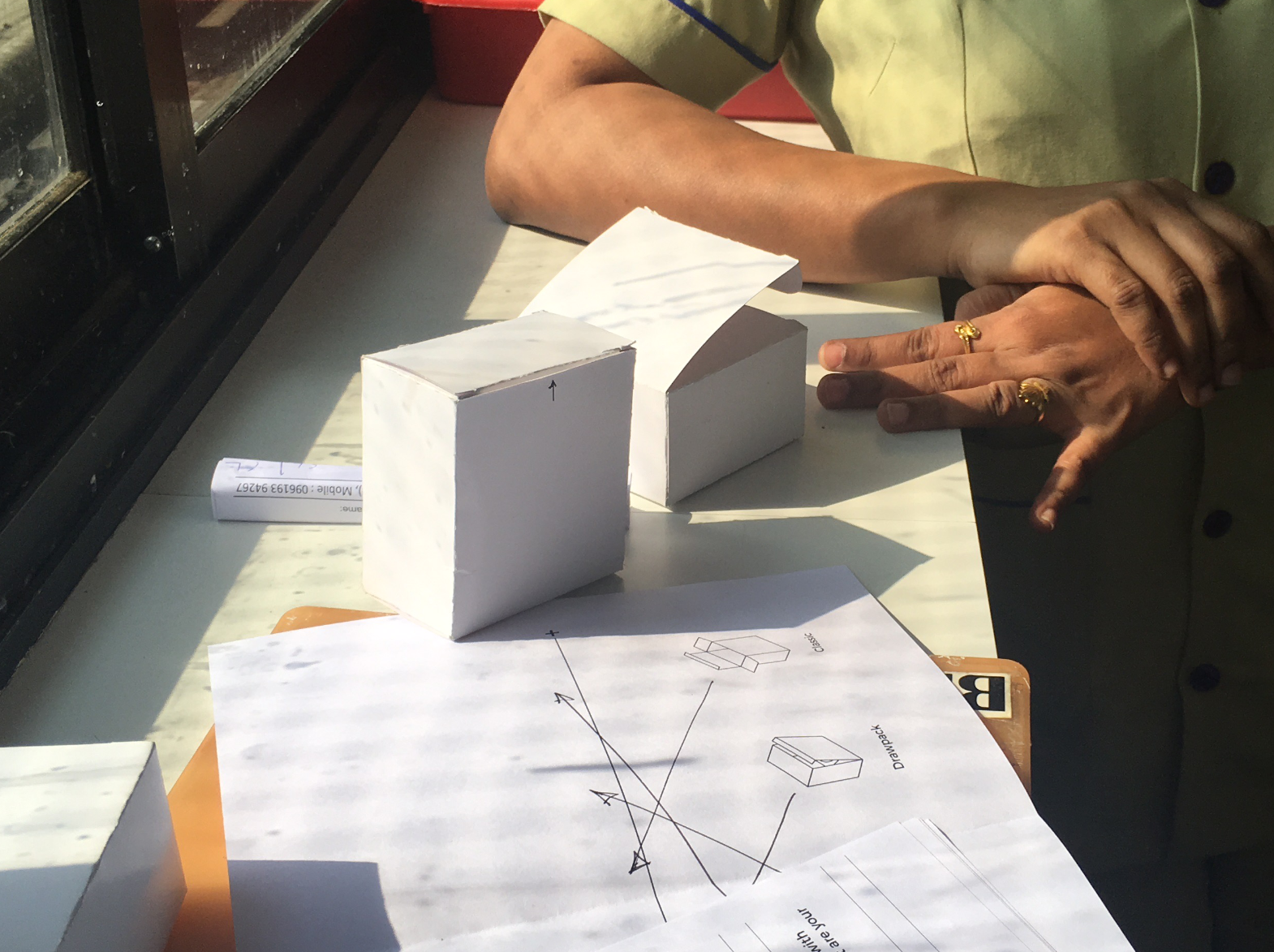
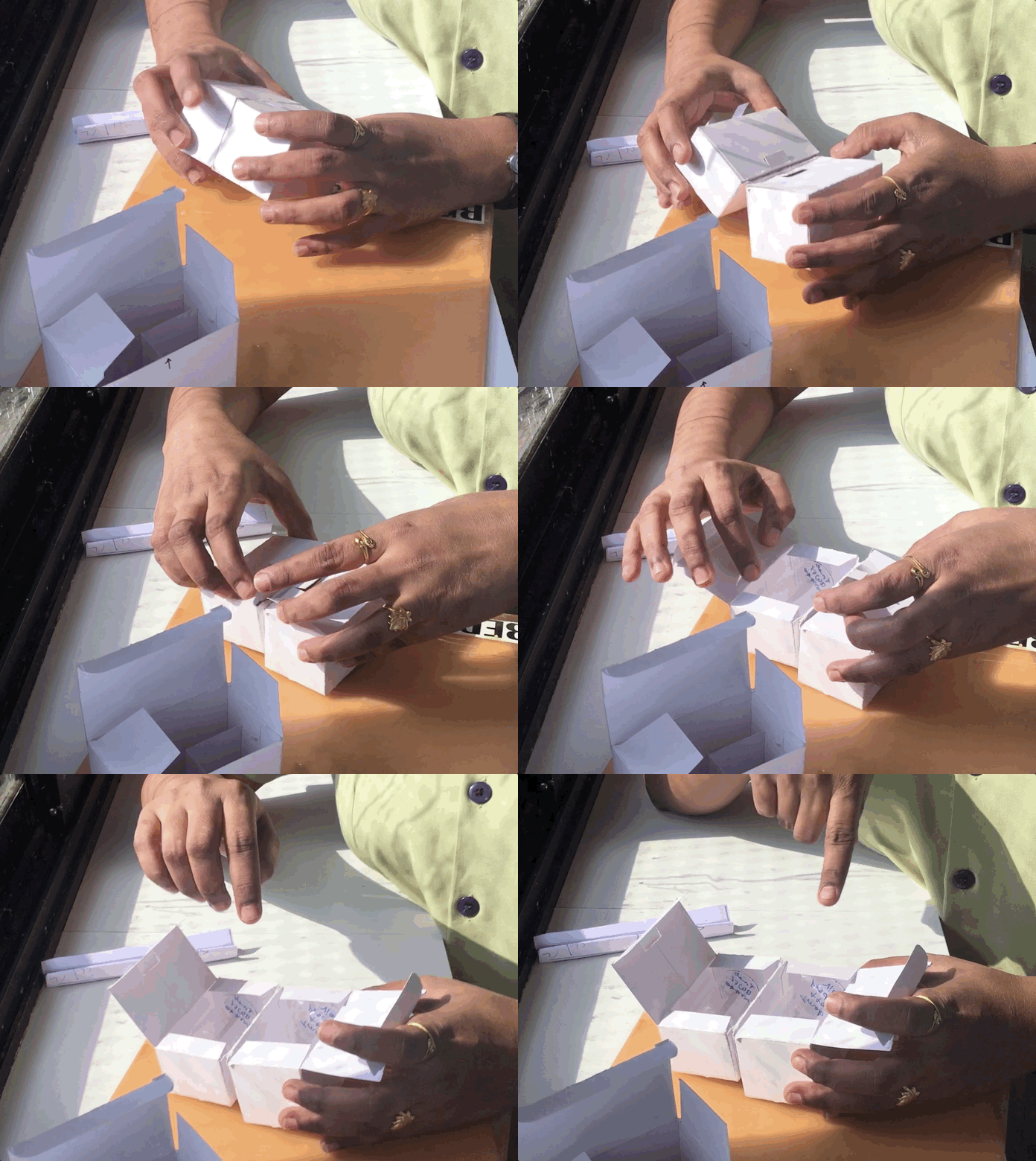
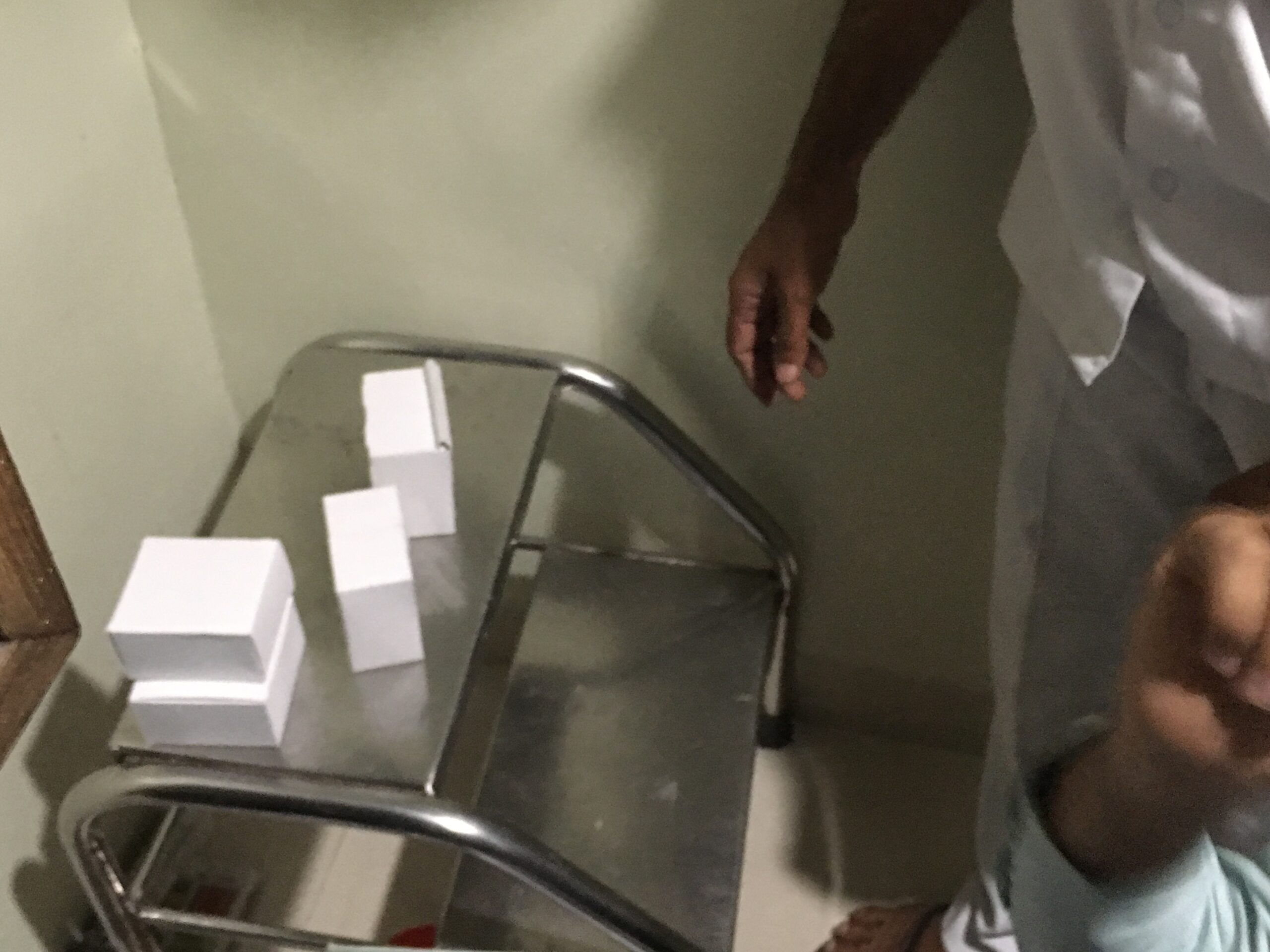
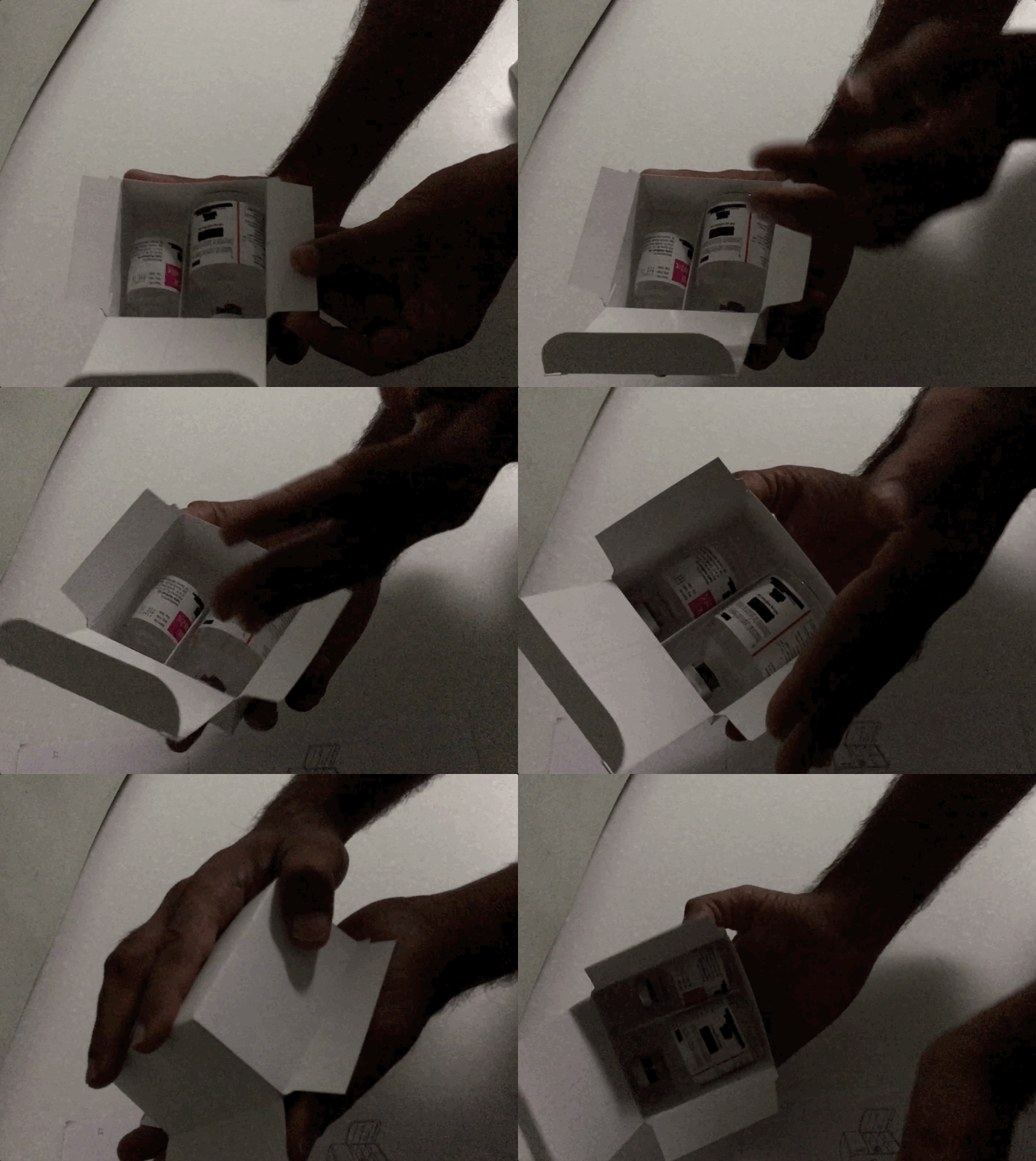
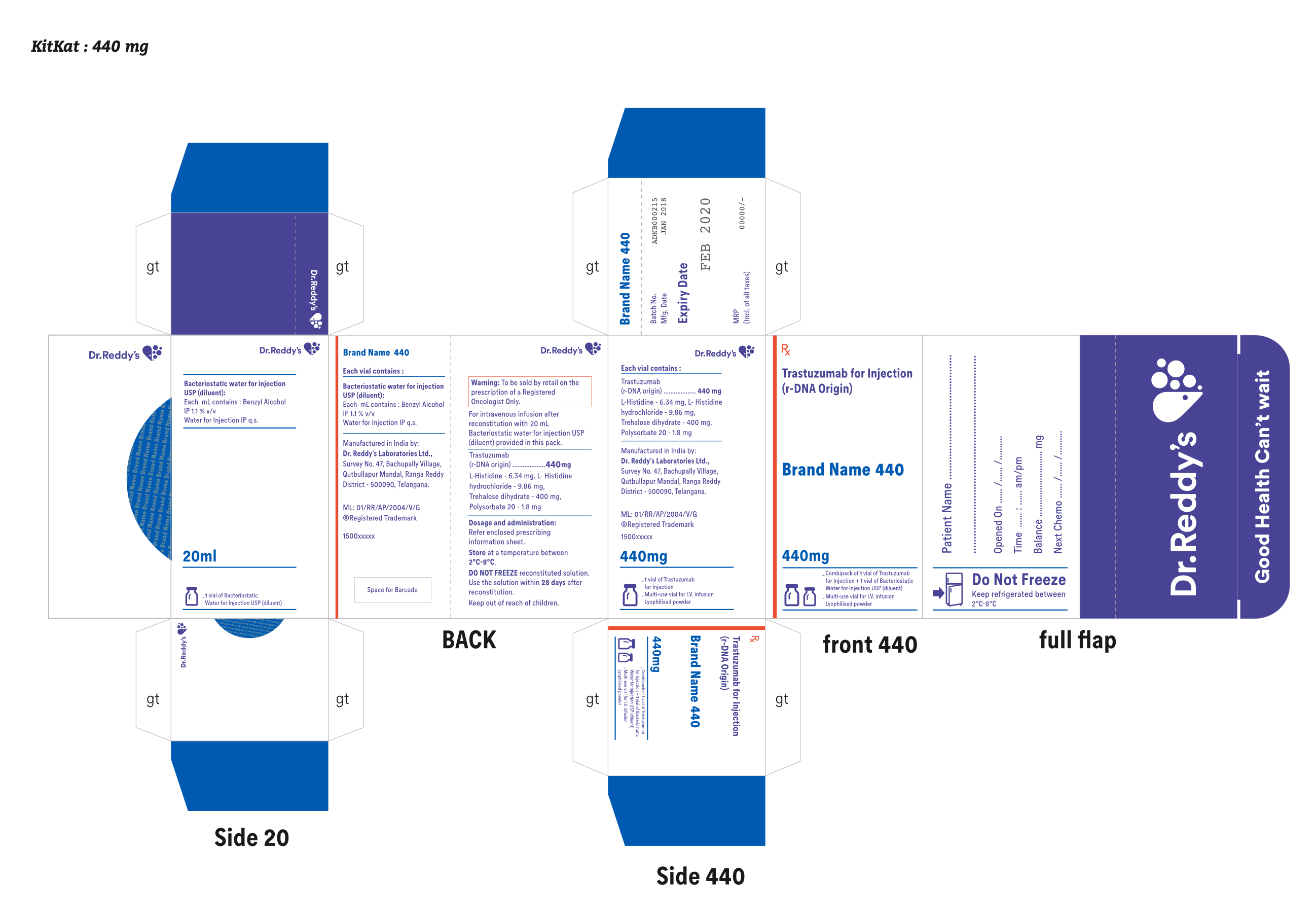
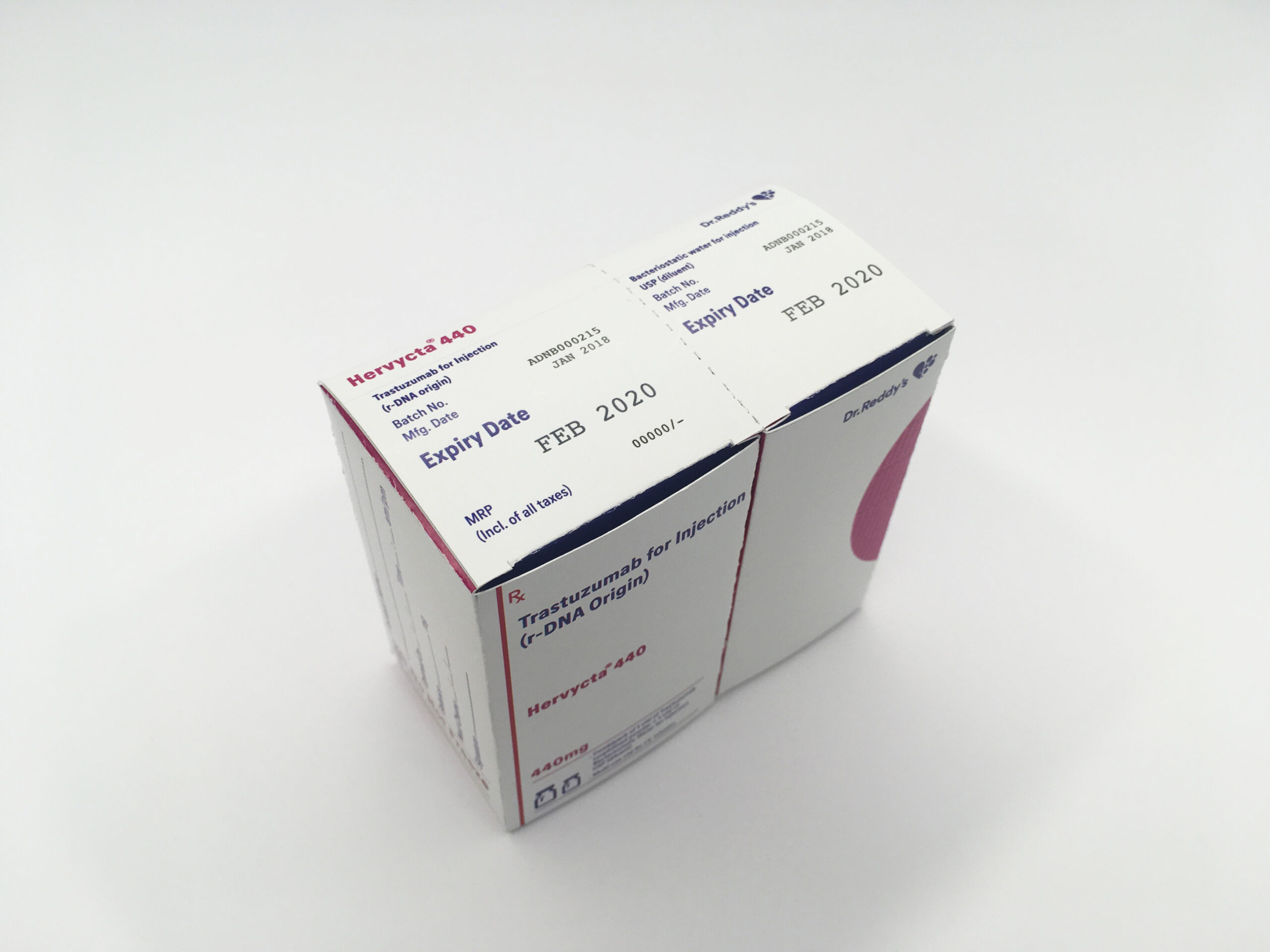
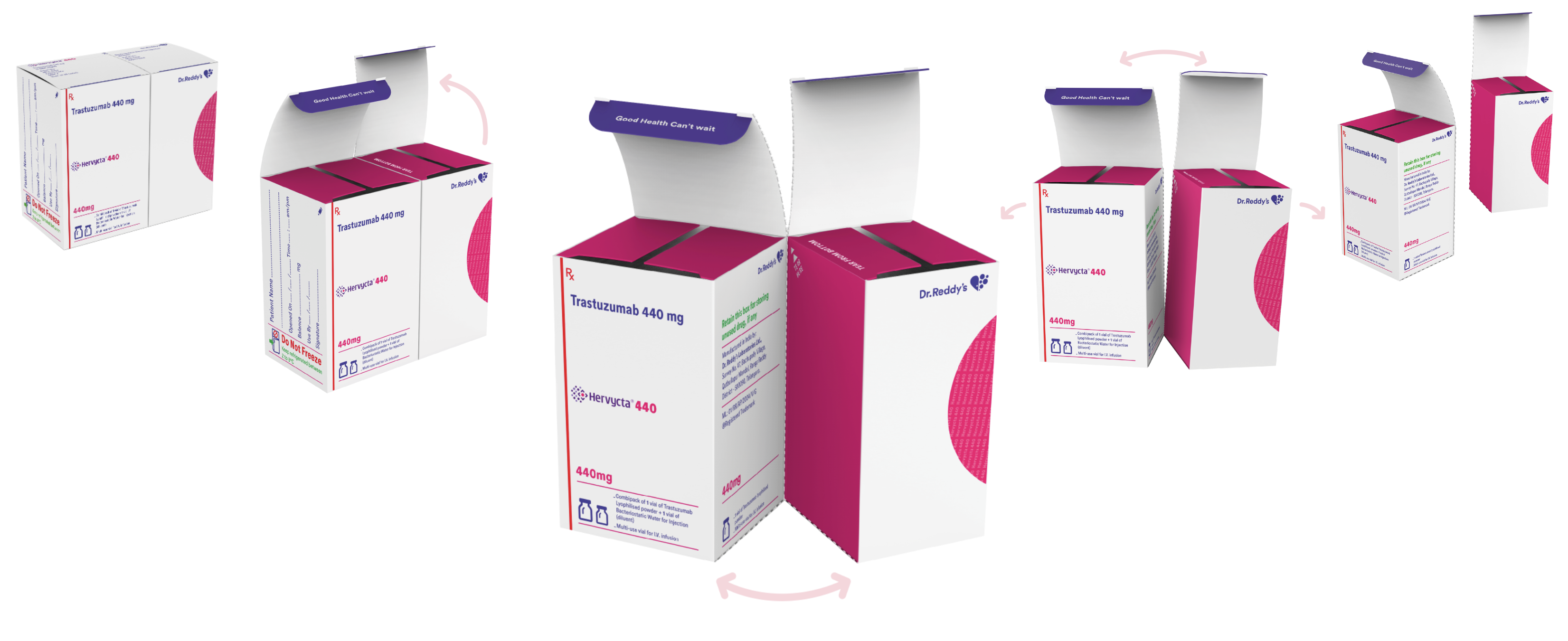
As part of the testing, we asked nurses to indicate their preferred box design. The "KitKat" design emerged as the clear favourite: its wide-opening structure allowed quick, easy access to the drug vials, while its ability to collapse in size made it both functional and practical to store within hospital fridges.


PHASE 03 - DESIGN DETALING & TESTING
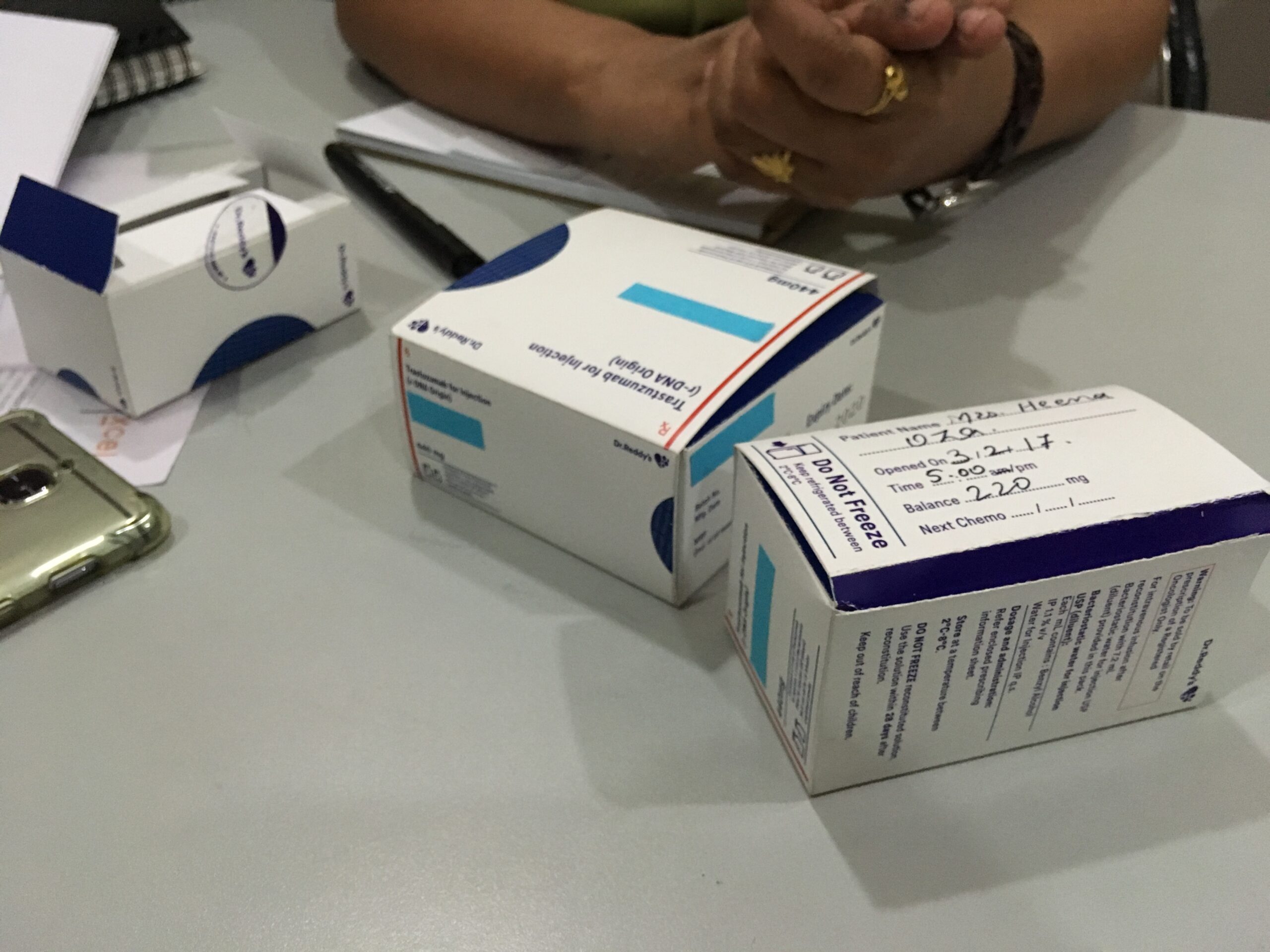
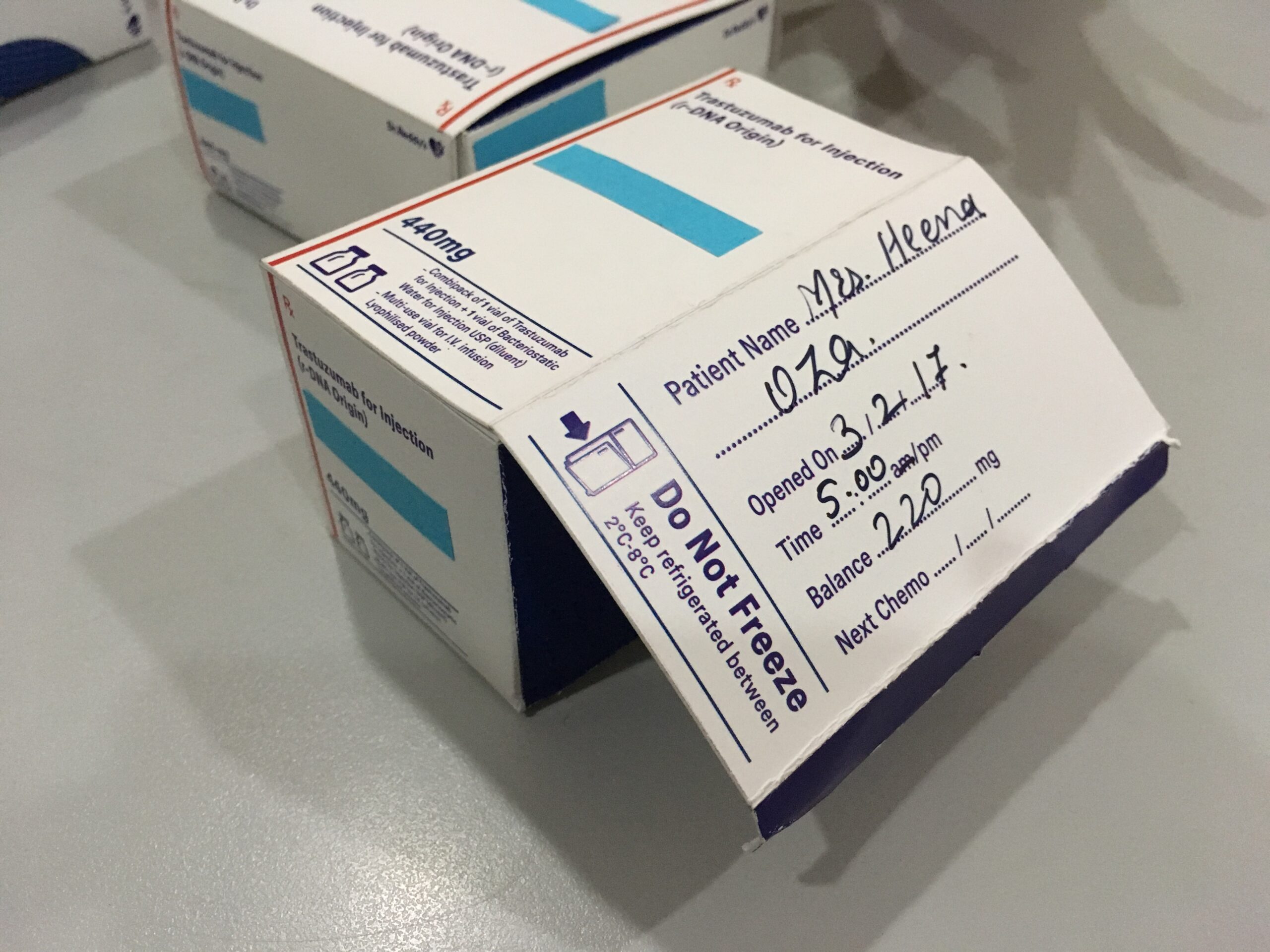
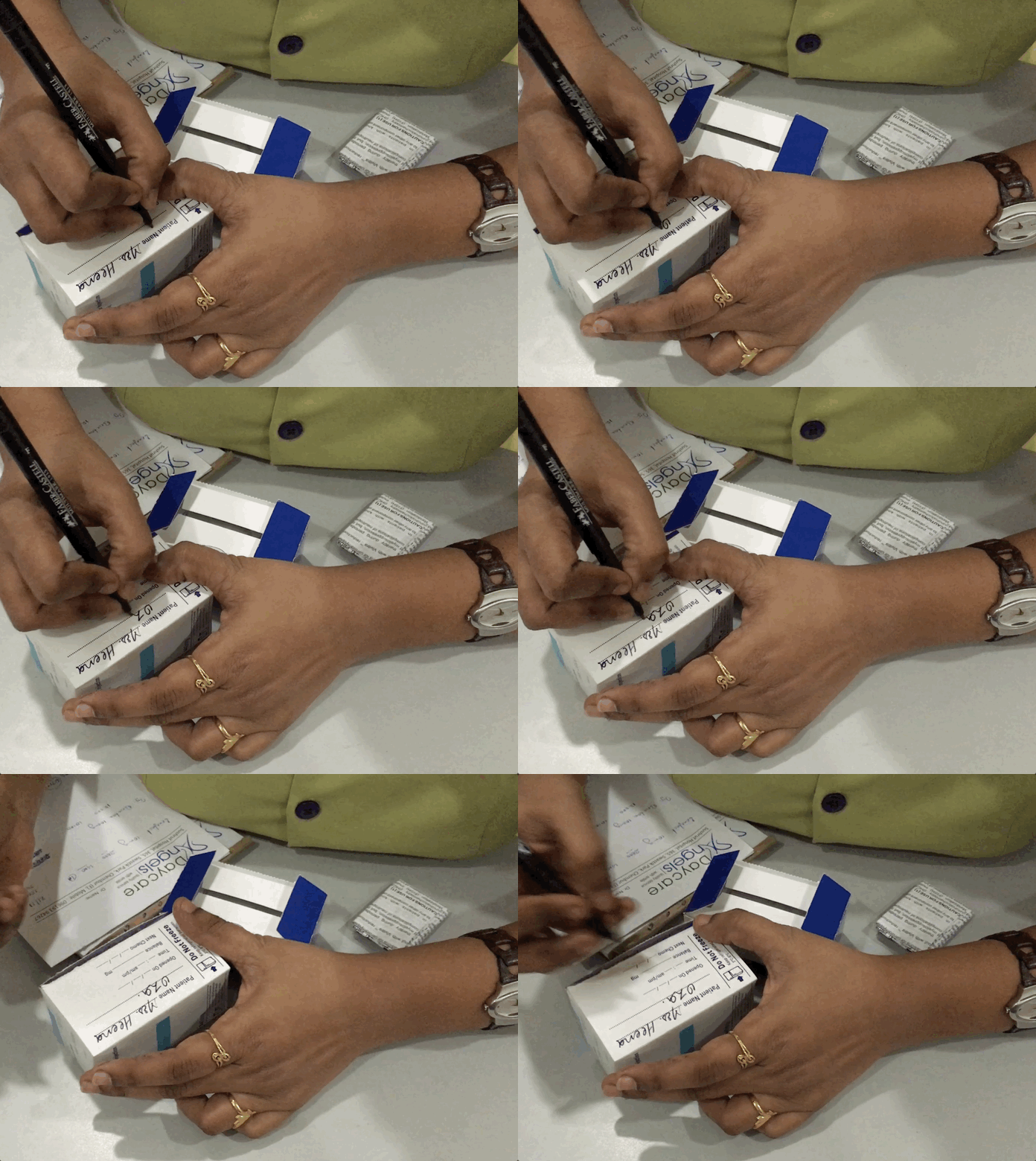
Following the white-box testing, we took the two shortlisted designs forward and applied the packaging graphics, integrating the patient label and ownership information section as part of the visual design system for the box.
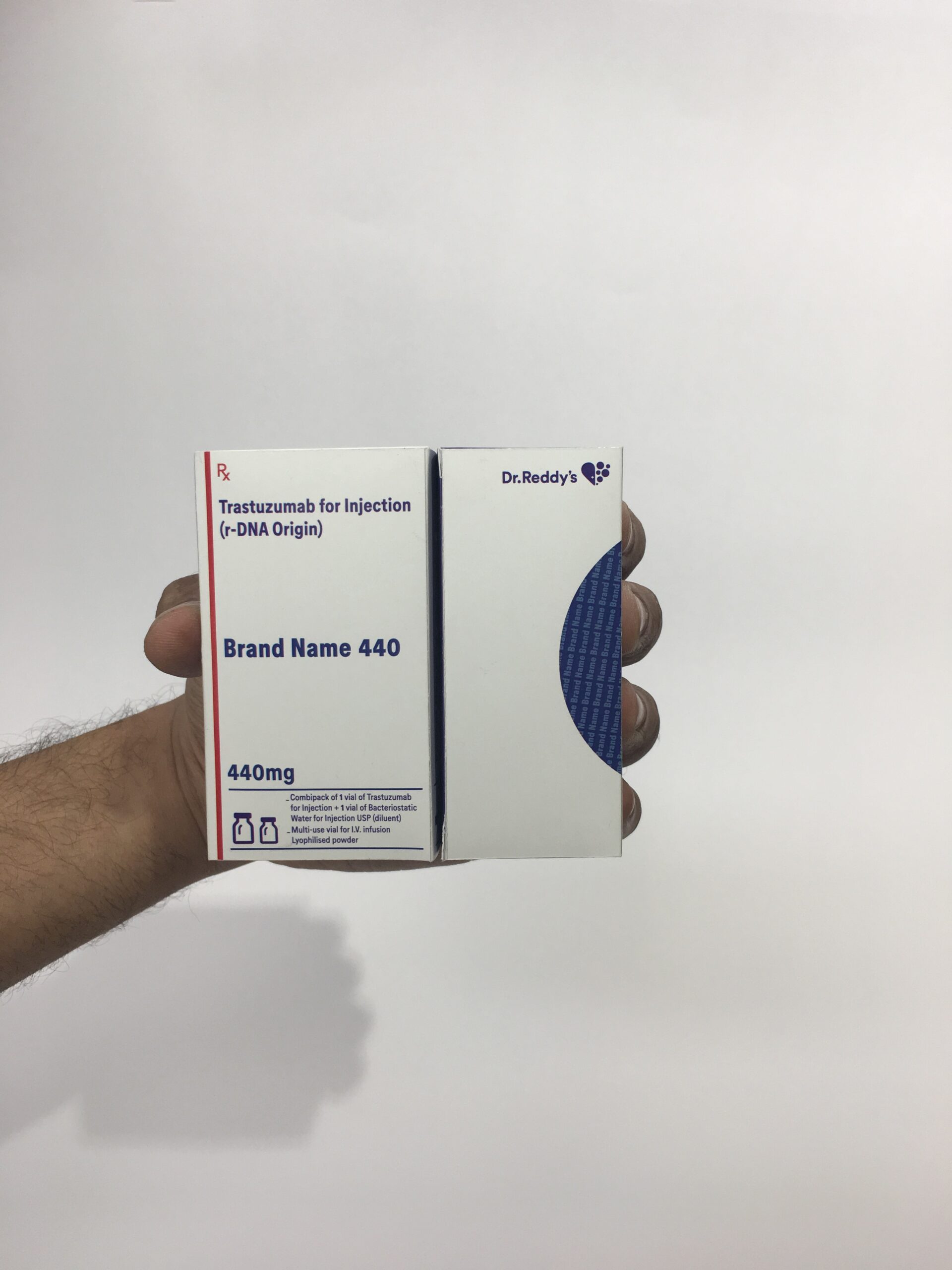
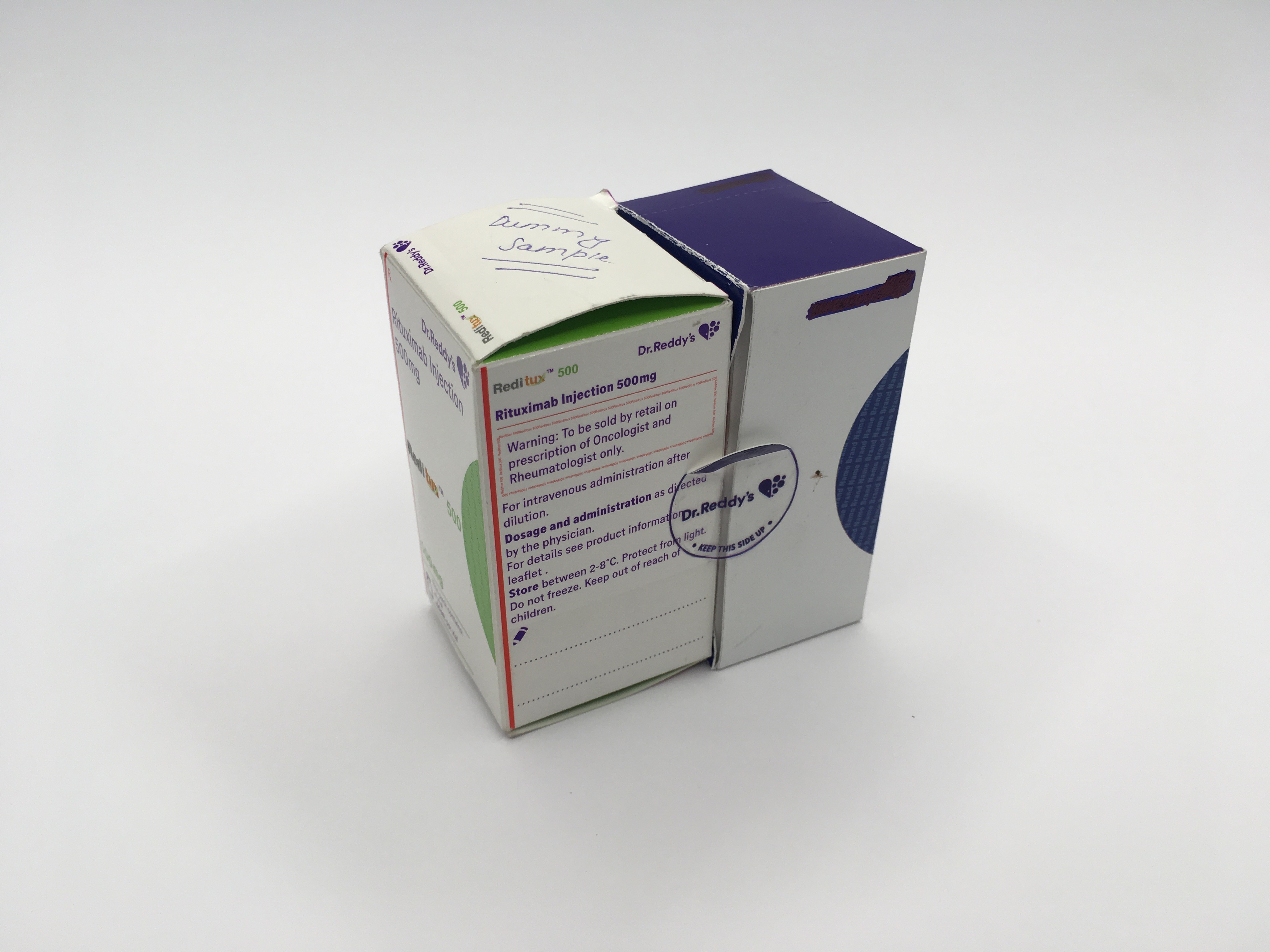

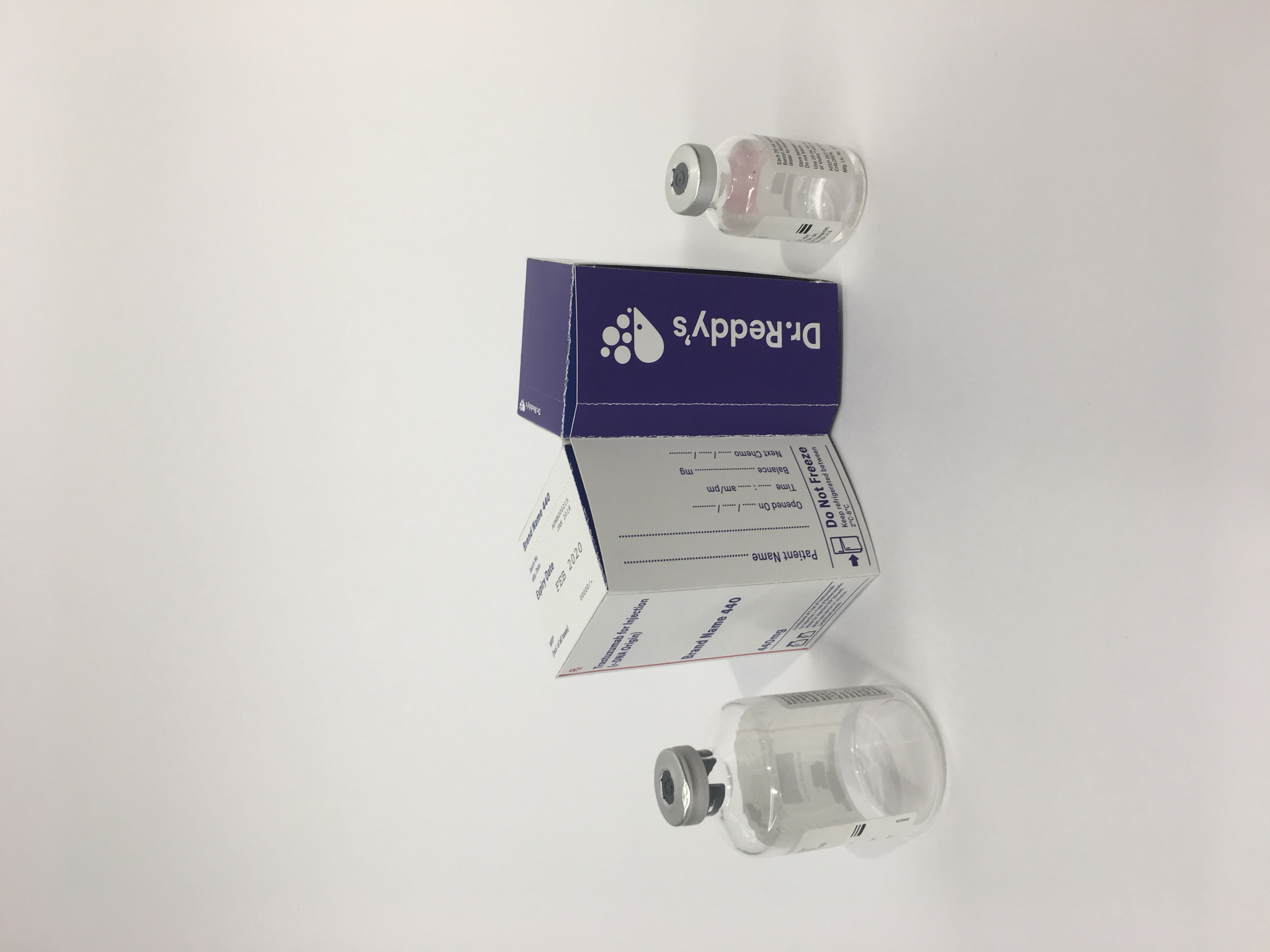
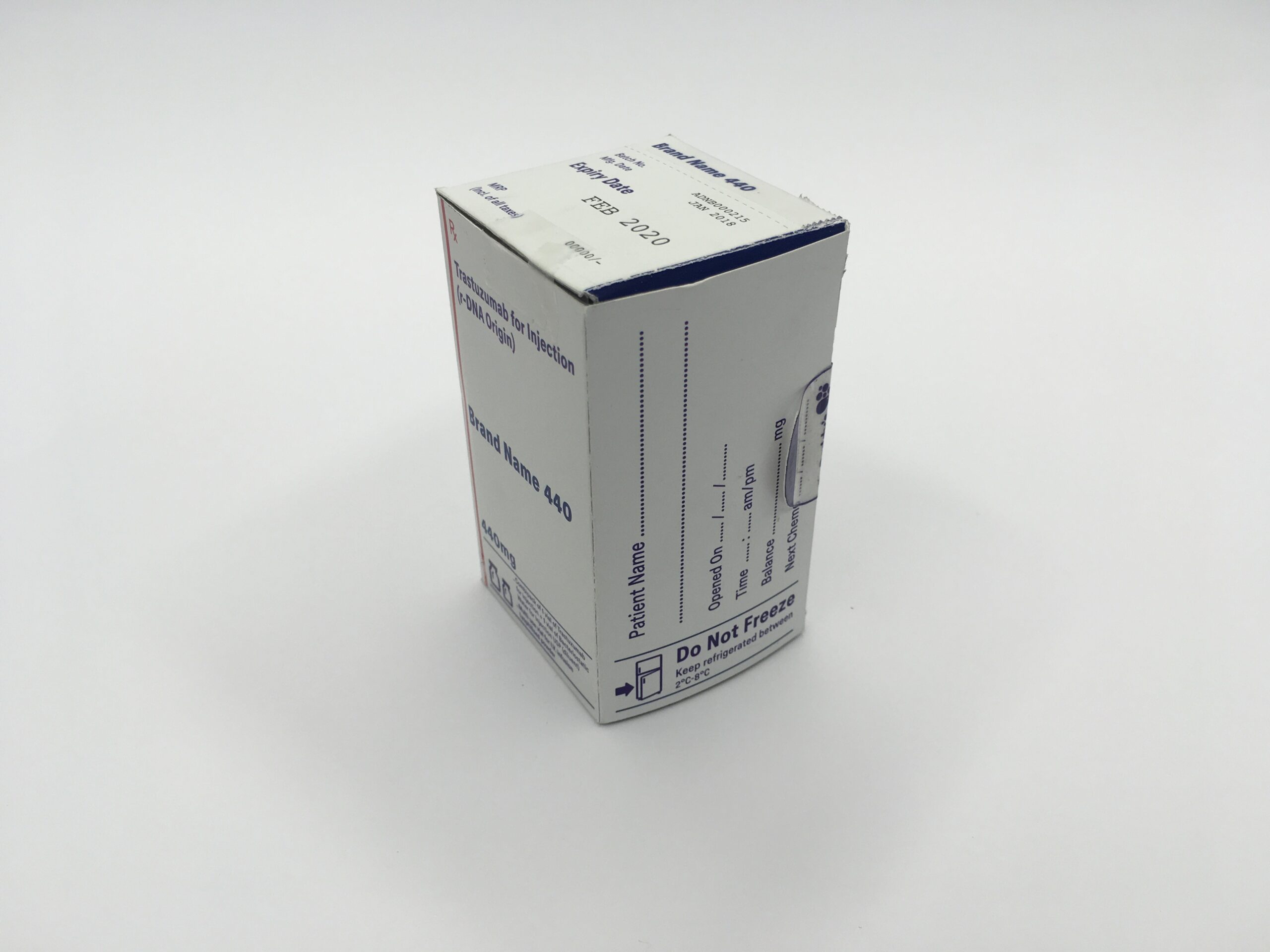
Testing prototypes with doctors and nurses
FINAL PHASE - ITERATION FOR MANUFACTURING
With the phase 3 mockup well received by both nurses and caregivers, we moved swiftly into prototyping the final design with our manufacturing vendor, preparing it for production.
CONCLUSION
The box is in production and won the Lexus Desgin Award for Packaging Design - Best in Category, 2019.